Chat

Best Screening. Best Sorting at Skrotfrag

How Screening and Material Feeding Measurably Improve Non-Ferrous Metal Processing

At its Sjövik facility, northeast of Gothenburg, Skrotfrag operates one of the largest non-ferrous metal recycling plants in Europe. The new facility was built with a clear goal in mind: to consistently advance the processing—toward even higher levels of purity, more controllable material flows, and maximum utilization of the sorting technology employed.

Skrotfrag recycling plant for non-ferrous metals, featuring a red building and solar panels.

Output

Top-Notch Quality

Process

Fully customizable

Capacity

24/7 operation

PROJECT PROFILE

Skrotfrag is building one of Europe's top three non-ferrous metal recycling plants

High-performance metal recycling for the processing of non-ferrous metals—designed for maximum purity and continuous operation.

Customer

Skrtofrag, Sweden

Industry

Metal Recycling / Non-Ferrous Metal Processing

MATERIAL

Non-ferrous metals, including aluminum, copper, brass, stainless steel, lead, alloys, and other non-ferrous metals

Process

Dry processing with precise grading and optimized feed for sorting

REFERENCE TOPICS

Construction of a new, modern metal recycling facility

SPALECK SOLUTIONS

IN ACTION

Skrotfrag uses these SPALECK machines

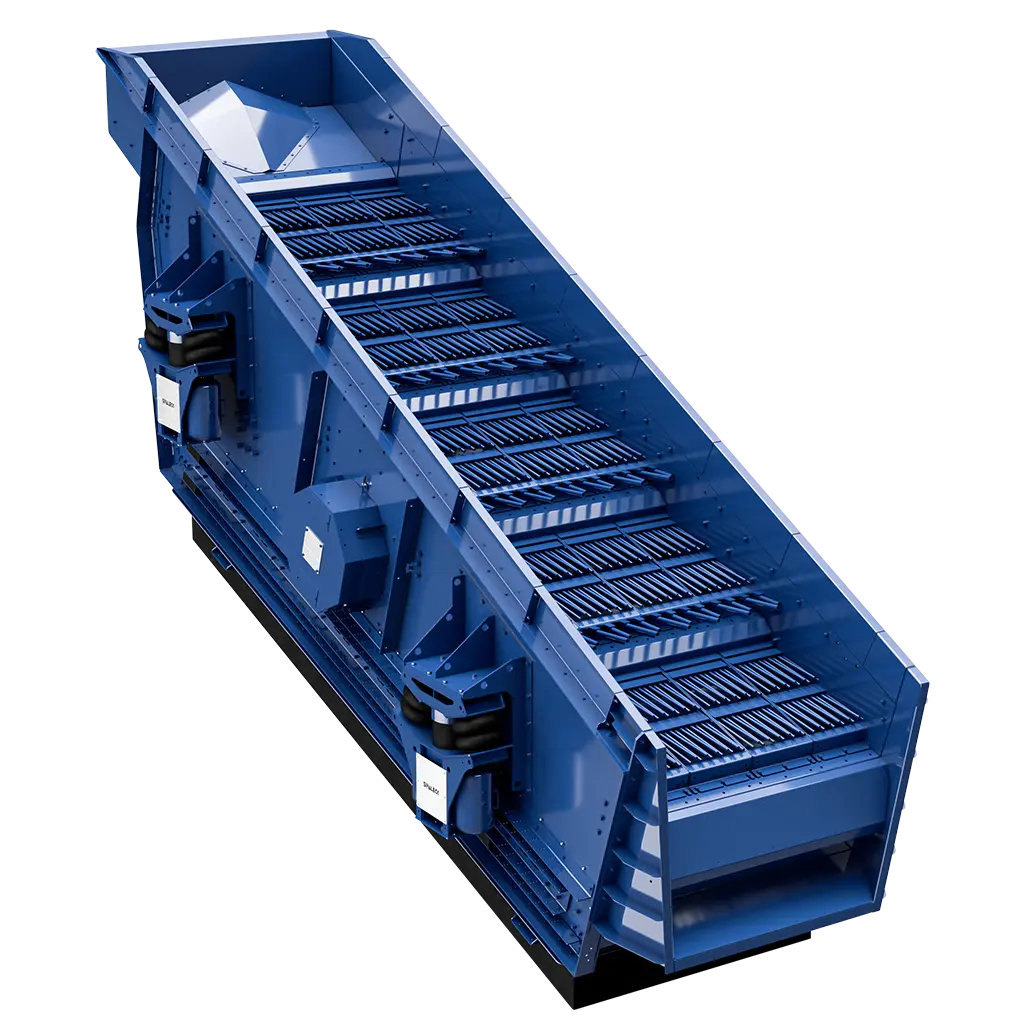
SPALECK 3C COMBI Screening Machine

Classification

The 3D COMBI is a key component of the recycling plant, providing precise screening sizes of:

0–5 mm, 5–20 mm, 20–60 mm, 60–120 mm, and > 120 mm

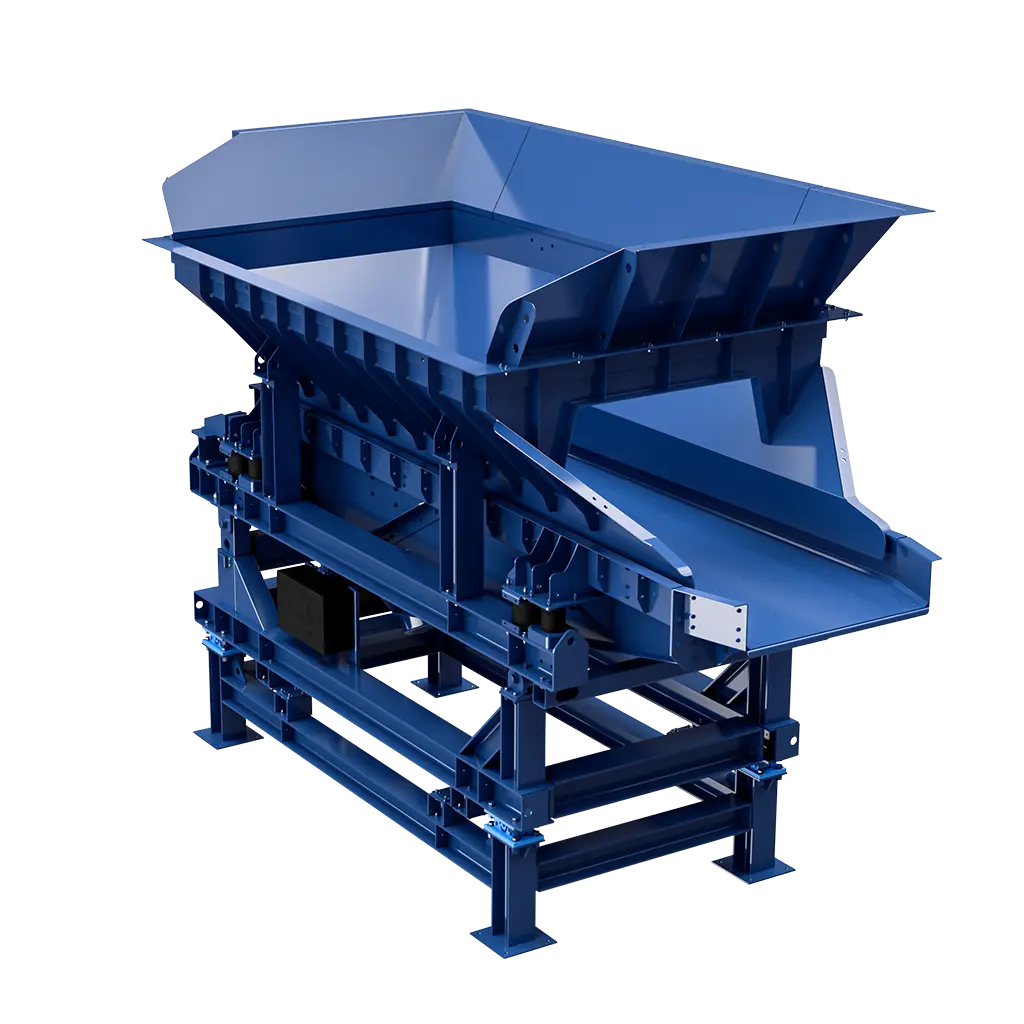
SPALECK ActiveFEED Feed Hopper for optimal material feed to sorting machines in recycling.

Online and Offline Lines

Skrotfrag uses six ActiveFEED feed hoppers as precisely controllable timing devices for its sorting technology. These are operated both online and offline.

A man in a white shirt is pointing to the side.

Discussion with our expert on screening technology and material feeding in non-ferrous processing

Discuss the Non-Ferrous Recycling Project Now

Would you like to learn more about optimized screening and material feeding for your existing or new metal recycling processing plant? Then let’s talk about your material and how it’s processed. I’d be happy to show you more references and use cases.

THE INITIAL SITUATION

Get more out of the material—in as few process steps as possible

For decades, Skrotfrag has pursued a clear strategy of recovering as many recyclable materials as possible—using the most efficient process steps possible.

Two men in protective gear are discussing in front of a pile of scrap metal at Skrotfrag, a non-ferrous metal recycling facility.
SPALECK, a screening machine expert, and the metal recycling experts at Skrotfrag discuss the sorting results in metal recycling.

Project Goal

Maximum Recovery of Non-Ferrous Metals

3D COMBI and 6 ActiveFEEDs: Team Players for Sorting

BEST SCREENING. BEST INFEED. For maximum sorting capacity.

In the video, Skrotfrag experts provide insights into the planning, goals, and operation of their state-of-the-art recycling facility.

The combination of the SPALECK 3D COMBI screening machine and the six SPALECK ActiveFEED feed hoppers enables highly precise control of plant operations. Whether online with the screening machine and an ActiveFEED or offline with the other five ActiveFEEDs:

The recycled material is fed into the sorting machines precisely, efficiently, and accurately. This reduces production costs and increases output and sorting quality.

You are currently viewing a placeholder content from YouTube. To access the actual content, click the button below. Please note that doing so will share data with third-party providers.

More Information
SPALECK, a screening machine expert, and the metal recycling experts at Skrotfrag discuss the sorting results in metal recycling.

The Spaleck Solution

Smart Material Feeding and Clean Screening Cuts: The Key to Cost-Effectiveness

At the heart of the system is the combination of precise screening and controllable material feed.

Screening technology produces defined size fractions, while the ActiveFEED systems transfer the respective material flow to the sorting units in a uniform and reproducible manner at the push of a button.

The result is consistent process conditions, higher sorting quality, and a precisely adjustable throughput.

Customer Benefits

Operational Insights from Skrotfrag

Technology

Technical Details at a Glance

The non-ferrous metal recycling plant in Sjövik was designed from the outset as an integrated system. Screening technology, material feeding, and sorting technology work together to enable highly economical operation with throughput rates controllable at the push of a button, high material purity, and process-optimized plant operation.

Precise Sorting with the 3D COMBI

The double-deck vibrating screen separates the material into specific particle size ranges: 0–5 mm, 5–20 mm, 20–60 mm, 60–120 mm, and > 120 mm. This produces clearly defined fractions that are optimally matched to the sorting technology.

Smooth, trouble-free material feed with ActiveFEED

ActiveFEEDs ensure continuous material feeding and supply with minimal staff. The desired throughput is selected with the push of a button and maintained at a constant level during operation.

Precise throughput during operation

The system makes it possible to tailor the material flow precisely to the requirements of the material or process. Throughput, quality, and staffing can be specifically coordinated with one another. 

No bottlenecks in processing

All components are integrated into a higher-level plant control system. As a result, screening, material feeding, and sorting operate as a coordinated unit.

Your contacts for SPALECK Conveyor & Separation Technology

Do you have a project idea, need more information about a screening machine, or want to test your material at the SPALECK TestCenter? We’re always happy to help!

TRANSFERABILITY for Your Processing

Concepts for Sophisticated Metal Recycling Processes

The project shows that the quality of the treatment is largely determined by the upstream process steps. The combination of classification and controlled material feed can be applied to many applications:

Three men in protective gear are discussing something in front of a SPALECK plant near Skrotfrag.
A man in a white shirt points to the side, which fits the theme.

BEST SCREENING. BEST SORTING. FOR YOUR METAL RECYCLING.

Discuss the next step now

Would you like to learn more about our screening machines for metal recycling? Or are you perhaps planning a new project and would like to conduct extensive sieving tests on your material at no cost? Then let’s talk about your material now. I’d also be happy to show you additional case studies featuring SPALECK screening machines in the non-ferrous processing industry.

More SPALECK Success Stories

Everything You Need to Know

FAQs

Here are some questions about your work at SPALECK. If you have any questions, just send us a message.

The ActiveFEED feed hopper pays for itself from day one, as it significantly increases the recovery rate of non-ferrous metals in metal recycling, for example. In many cases, the payback period is less than half a year. We would be happy to advise you personally on this matter. Examples such as STENA Recycling and KMR Recycling show you exactly how this works.

Yes, you can easily retrofit the SPALECK ActiveFEED feed hopper. Many of our customers are replacing their standard batch sizes and, as a result, achieving significantly better and more profitable sorting results. Check out this feedback from our client STENA to see how easy the replacement process is.

Yes, the ActiveFEED is ideal as a feeding system for X-ray sorting technology, such as XRF or XRT sorting. In XRF and XRT sorting machines, it enables fully automatic, continuous material feeding. This allows recycling companies to use ActiveFEED to automatically feed their sorting machines with the optimal amount of material for each specific sorting machine and type of recyclable material. This increases both sorting efficiency and volume. In addition, sorting quality can be significantly improved through optimal feeding. See also the case study by STENA Recycling and the recycling expert Skrotfrag.

Testing your recycled materials at the SPALECK TestCenter is free of charge. This way, you can test high-performance recycling equipment such as the 3D COMBI screening machine or the SPALECK ActiveFEED feed hopper. Here’s how SPALECK’s conveying and separation technology can help you—at a glance.

READY FOR BETTER SCREENING

Together, we'll optimize your recycling process