Clean Process Water for Industry
A consistent cleaning process is an important foundation for reliable production operations.
Using a combination of chemical and physical processes, we convert suspended solids and dissolved impurities into a form that can be removed. This is how we help ensure compliance with discharge limits and protect downstream equipment.
Precipitation and flocculation specifically prepare dissolved substances and finely dispersed particles for subsequent mechanical separation. Our systems can be adapted to the specific feed rates and particle properties—from the dosing of treatment chemicals to the formation of suitable flocs. This is how we integrate the processes into existing facilities as needed and lay the foundation for coordinated water treatment.
Through targeted precipitation, dissolved pollutants such as heavy metals and phosphates can be converted into a form that can be separated. When combined with appropriate separation methods, this can help ensure compliance with statutory discharge limits.
Properly selected flocculants promote the formation of stable flocs that drain well. A higher solids content in the filter cake can reduce the volume of waste to be disposed of, thereby reducing the costs associated with transportation and subsequent disposal or recycling.
Appropriate chemical and physical pretreatment can reduce deposits and fouling on sensitive membranes and heat exchangers. This reduces the load on downstream system components and can help optimize maintenance requirements and cleaning intervals.
The treatment process can be adapted to varying levels of contamination and production conditions. A dosage tailored to the specific inflow helps keep the treatment performance as consistent as possible, even under fluctuating wastewater conditions.
Not all contaminants are visible to the naked eye. Dissolved metals, emulsified fats, and other substances in wastewater require targeted treatment. Using coordinated precipitation and flocculation processes, we convert suitable pollutants into a form that can be separated. This allows water treatment to be adapted to the specific load and the requirements of the subsequent process.
Every type of industrial wastewater has its own unique characteristics. Factors such as the composition of the protective load have a significant influence on how suitable flocs form.
Based on laboratory analyses, we determine the appropriate combination of active ingredients for each type of wastewater. Instead of relying on one-size-fits-all solutions, we develop a treatment concept tailored to the specific load and operational requirements. In doing so, we balance technical requirements with efficiency considerations.
By carefully adjusting the pH level, dissolved ions such as copper, zinc, or nickel can be converted into insoluble solids. The subsequent flocculation process binds the resulting particles into larger units that can be reliably separated. This allows water treatment to be tailored to meet the applicable discharge limits.
Dissolved iron and manganese can cause discoloration and deposits in technical systems. Through a targeted combination of selective oxidation and precipitation, these substances are converted into a form that can be filtered out. This aids in separation and can reduce deposits in downstream equipment.
Finely dispersed solids and microplastics cannot always be removed from water by settling alone. Precipitation and flocculation processes can be used to bind fine particles and aggregate them into larger flocs. These can then be separated from the water using appropriate separation methods such as flotation or filtration. This reduces the solids load and prepares the water for subsequent treatment steps.
Finely emulsified oils are difficult to separate mechanically. Specialized demulsifiers destabilize the emulsion, causing oil and fat droplets to adhere to flakes, which can then be separated from the water. This helps reduce the load on subsequent treatment stages.
Particulate organic matter contributes to the chemical and biochemical oxygen demand of wastewater. Targeted flocculation allows organic suspended solids to be bound and subsequently removed. This helps reduce CSB and BSB levels and reduces the load on subsequent treatment stages.
The treatment of PFAS-contaminated water poses unique challenges. Long-chain PFAS compounds, in particular, can adsorb onto specially formulated flakes under suitable conditions. This prepares the water for subsequent cleaning steps and reduces the load on further treatment stages, such as those using activated carbon.
Precipitation and flocculation prepare dissolved substances and finely dispersed particles so that they can subsequently be separated mechanically. With the right dosage and appropriate process equipment, the process can be adapted to the specific wastewater load. This creates a reliable foundation for further water treatment.
In the first step, suitable precipitating agents are added to the water. These trigger a chemical reaction in which dissolved substances are converted into poorly soluble, solid particles. This allows substances that were previously dissolved in water and could not be separated mechanically to be converted into a solid form.
During flocculation, finely dispersed particles and precipitated contaminants combine to form larger flocs with the help of flocculants, such as polymers. These can then be more easily separated from the water by sedimentation, flotation, or filtration. This process is used in particular for suspended solids that are difficult to separate and for very fine particles.
In the final step, the flakes that have formed are separated from the water. Depending on the plant design, this is achieved through sedimentation, flotation, or filtration. This process produces treated water and concentrated sludge, which can then be dewatered, disposed of, or—depending on its composition—further processed.
Our precipitation and flocculation processes can be adapted to a wide range of water qualities and industrial requirements. In combination with appropriate separation methods, water quality is specifically tailored to the respective processes—from reducing individual pollutants to treating process water for reuse.
Safe Processing of Natural Resources
Natural raw water and well water may contain dissolved iron and manganese compounds as well as organic substances. Through targeted precipitation, these substances are converted into a form that can be filtered out. The subsequent flocculation process binds finely dispersed particles and facilitates their removal. This is how the water is prepared for further treatment and its intended use.
High-Quality Pre-Treatment Unit for Pure Water Systems
Sensitive membranes and ion exchangers can be contaminated by colloids and organic particles. Precipitation and flocculation processes can be used as a pretreatment step to bind impurities and remove them before the subsequent ultrapure water treatment. This can reduce fouling and help extend the service life of the plant equipment.
Reliable Water Quality for Technical Systems
For general cleaning or cooling processes, we deliver consistently high water quality through precisely controlled flocculation processes. By removing contaminants from the feed stream, we effectively protect your industrial equipment from deposits and wear. This increases the operational reliability of your infrastructure and significantly reduces maintenance costs.
Sustainable Conservation of Resources
The reuse of water can reduce the demand for fresh water at industrial sites. Precipitation and flocculation help remove solids and certain chemical contaminants from the process water. When combined with additional treatment steps, the water can be prepared for reuse in the cycle. At the same time, it is possible to influence the load on downstream systems and the effort required for water treatment.
Spaleck Wassertechnik GmbH
6 Robert-Bosch Street
46397 Bocholt
Phone: +49 2871 2134 – 0
E-mail: info@spaleck.de
Precipitation and flocculation make it possible to bind dissolved substances, metals, and emulsions and convert them into a form that can be separated. When combined with appropriate separation processes, wastewater pollution can be reduced, laying the groundwork for compliant discharge or further treatment for reuse.

Efficient Heavy Metal Separation and Recycling
Metalworking generates wastewater that may contain, among other things, dissolved metals, cooling lubricants, and scale. First, oil emulsions can be treated by means of targeted emulsion breaking. Precipitation and flocculation processes can then convert dissolved heavy metal ions—such as zinc, nickel, or chromium—into a solid, separable form. This can reduce the load on water cycles, help ensure compliance with discharge limits, and facilitate subsequent sludge dewatering.

Reduction of Organic Loads
Wastewater from food production often contains high levels of organic matter (COD/BOD) as well as oils and greases. These contaminants can initially be reduced through the targeted separation and removal of oil and grease. Any remaining particulate matter can then be removed through flocculation and filtration. This reduces the load on downstream biological treatment stages and improves the conditions for efficient wastewater treatment.

Reliable separation of pigments and binders
Cleaning production facilities often results in highly colored wastewater containing pigments and dissolved binders. Precipitation and flocculation help bind suitable substances and convert them into separable flocs. The water can then be further treated and—depending on its quality and the requirements—reused or discharged.

Precise Treatment of Complex Wastewater Streams
The chemical industry places high demands on the flexibility of water treatment. Fluctuating pH levels and complex chemical compounds influence the selection and design of the process. Through a targeted chemical pretreatment, suitable ingredients can be converted into a separable form. This allows the treatment process to be tailored to the specific wastewater composition and operational requirements.

Improved Circulation and Fiber Recovery
In the paper industry, the focus is on reducing suspended solids (fine particles) and recycling. Tailored flocculation concepts significantly improve the separation of finely dispersed fibers and fillers. This helps protect screens and felts from deposits and blockages, reduces fresh water consumption, and supports stable production processes.
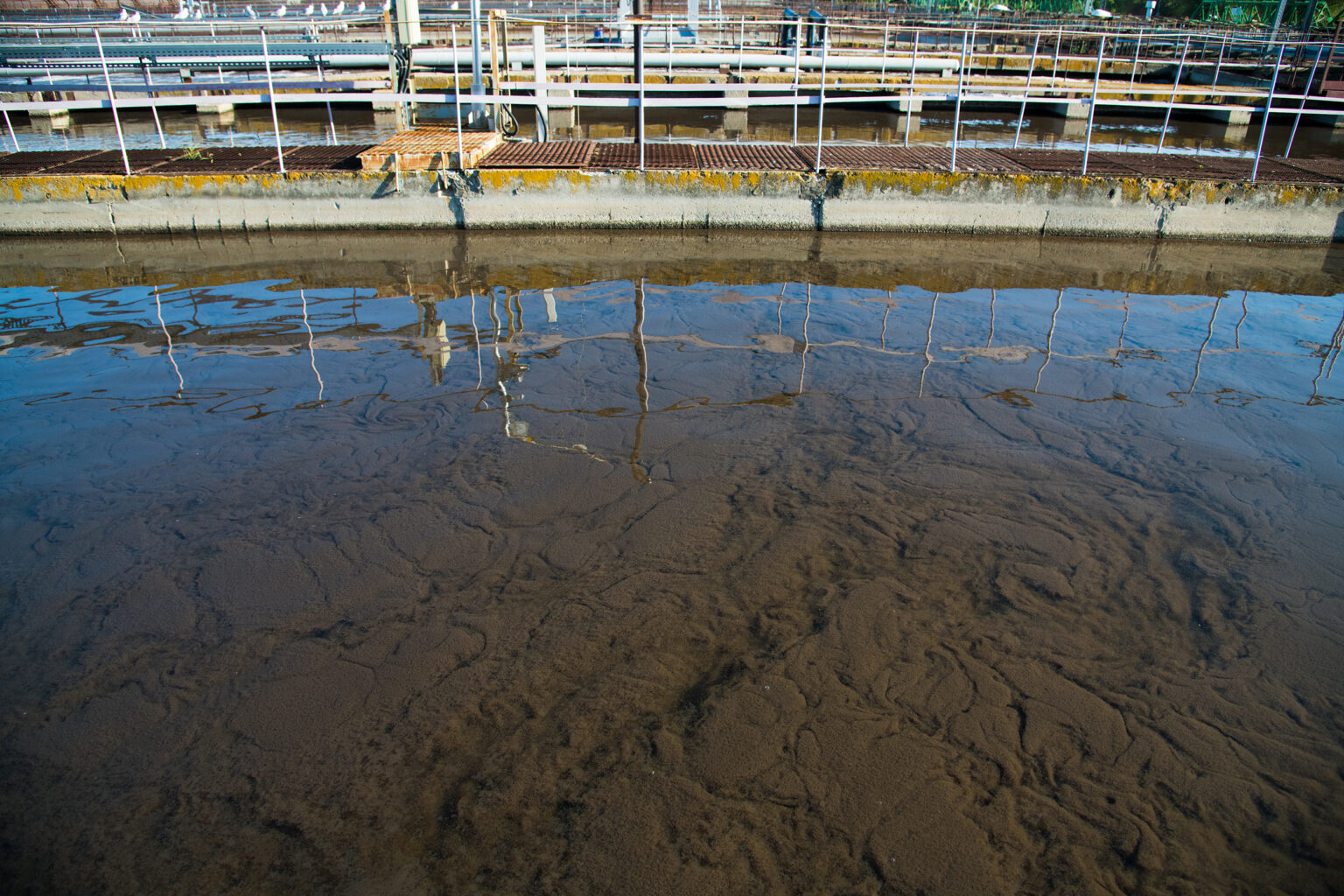
Customized solutions for your specific needs
Every production process has its own water treatment requirements. If your industry is not listed here, we will develop a customized precipitation and flocculation plan based on a detailed water analysis. In doing so, we combine process engineering expertise with considerations of efficiency to develop a suitable separation strategy for your specific wastewater load.

If you have any questions about SPALECK water technology, our experts will be happy to assist you.
Here are some questions about precipitation and flocculation using SPALECK water treatment technology. If you have any further questions, please feel free to contact us.
Flocculation is used when finely dispersed particles, colloids, or previously precipitated contaminants cannot be adequately removed by simple mechanical separation processes. By adding suitable flocculants, the small particles combine to form larger flocs, which are then separated, for example, through sedimentation, flotation, or filtration. Among other things, this process is suitable for treating industrial wastewater containing suspended solids, heavy metals, pigments, or other substances that are difficult to separate.
Static dosing systems fail during production peaks or unexpected discharges. Our state-of-the-art systems utilize buffer tanks and intelligent real-time dosing. If the load increases (e.g., due to tank cleaning in your production process), the control system adjusts the chemical dosage to reliably prevent limit values from being exceeded.
The truth is: While precipitation and flocculation do clean the water, they transfer the pollutants into the solid phase. This increases the sludge volume.
Our systems are therefore designed to achieve optimal floc compactness. In addition, the sludge can be dewatered exceptionally well using our chamber filter presses or decanters. We calculate the estimated sludge volume for you as early as the test phase so that you can accurately estimate disposal costs.
Yes, absolutely. In most cases, there’s no need to build completely new systems. At SPALECK Wassertechnik, we integrate modern dosing stations, static mixers, or optimized flocculation reactors (maturation tanks) directly into your existing infrastructure to improve treatment performance (retrofitting).
In short: Precipitation converts dissolved substances into insoluble solids. Flocculation binds these tiny solids together into larger, filterable flocs.
Precipitation: The addition of precipitating agents (e.g., iron or aluminum salts) triggers a chemical reaction. Dissolved substances (such as phosphates or heavy metals) are precipitated as tiny, insoluble particles (precipitate).
Flocculation: Since these particles are often too small to settle, flocculants (polymers) are added. They act like an adhesive, binding the microparticles together into larger macroflocs that can be easily separated by sedimentation or flotation.
You are currently viewing a placeholder content from Vimeo. To access the actual content, click the button below. Please note that doing so will share data with third-party providers.
More InformationYou are currently viewing a placeholder content from YouTube. To access the actual content, click the button below. Please note that doing so will share data with third-party providers.
More InformationYou need to load content from reCAPTCHA to submit the form. Please note that doing so will share data with third-party providers.
More Information