
















Recycling technology, Materials, and Processes
On this page, as recycling experts and a recycling company, we provide you with comprehensive information on the recycling of construction debris and construction and demolition waste. Learn why optimal screening results are so important for the successful recycling of construction and demolition waste. This benefits the circular economy and helps protect the environment.
Our team will be happy to advise you on the screening process and processing of construction and demolition waste.
The goal is to separate the individual components in order to prepare them for landfilling, thermal recovery, and recycling. The high-quality secondary raw materials they contain are to be reintroduced into the reuse cycle or the production process.
The demands placed on Recycling technology are significant. Large material flows must be recycled. In addition, construction and demolition waste places high demands on the robustness, reliability, and accuracy of the sorting process. Furthermore, the composition of the material is very diverse, so in practice, different sorting machines are combined.
In this context, SPALECK screening machines help ensure that construction and demolition waste and construction debris can be processed with high efficiency. This is because the precise size screening process is a fundamental prerequisite for sorting technology—such as air classifiers, sensor sorters, NIR sorters, and combination sorters—to operate efficiently and reliably separate materials by type.
When processing construction and demolition waste, the sorting results are also crucial. This animated video clearly demonstrates how you can achieve the best results with the SPALECK 3D COMBI screening machine. The secret to success: high-performance 3D screening panels on the upper deck and highly reliable separation of fine particles, sand, and dust in the Flip-Flow screen lower deck.
0–10 mm | 10–80 mm | > 80 mm
0–8 mm | > 8 mm
With SPALECK, you have the right partner for your Recycling process. Take advantage of high-performance technology.
BEST SCREENING. BEST SORTING. SPALECK.
Focus on Demolition Work
Construction and demolition waste is generated during the demolition, renovation, and new construction of buildings, as well as during road and bridge construction. The majority of construction and demolition waste comes from building demolition projects.
Construction and demolition waste consists of a wide variety of materials. For example, when a house is demolished, the following are produced:
Screening sizes:
The goal of recycling construction and demolition waste and construction debris is to recycle and reuse the individual components and secondary raw materials in an environmentally friendly manner.
To this end, the material is first collected and transported to specialized recycling plants. At the start of the Recycling process, a pre-screen can be used for coarse separation and to reduce the load on the subsequent shredder. The shredder then shreds the remaining material that was screened out by the pre-screen. This step helps preserve the shredding equipment, as it keeps components that are too large or mechanically unsuitable for processing by the existing shredder away from the machine. Examples include sections of steel beams, long formwork timbers, or large, heavy concrete pieces.
Magnetic technology is also used to recover items such as rebar, angle iron, and sheet metal, as well as iron screws and nails. Typical examples of magnetic technology include overflow and/or lifting magnets (see also Metal Recycling).
Non-ferrous metals are separated from non-metallic materials (e.g., wood, plastic, glass) using non-ferrous separators, also known as eddy current sorters.
The shredder breaks down the material that was not sorted out by the pre-screen and any manual sorters. The so-called hand pickers sort through the materials as they move along a conveyor belt in a sorting booth using their hands. This allows them, for example, to “fish out” valuable metals or remove parts that would interfere with further processing (e.g., due to their size or material).
The construction and demolition waste is then classified by size using screening machines. SPALECK 3D COMBI screening machines have proven to be very effective for this purpose, as they can classify up to five size fractions and also reliably screen out the fine material.
This is important to ensure that the subsequent sorting technologies—such as eddy current separators, air classifiers, and sensor-based sorting devices—function optimally and can sort the individual components into pure material streams.
So-called combination sorters use, for example, 3D object recognition, color sorting, induction sorting, as well as NIR sorting technology or XRF and XRT sorting technology to separate materials. For example, a red brick can be reliably identified as a red brick based on its three-dimensional characteristics and color.
Recycling helps reduce landfill costs and increase the recycling rates of secondary raw materials.
Every year, we conduct hundreds of material tests with our customers at the SPALECK TestCenter. The goal: to achieve optimal classification and material feed for the best possible performance of the downstream sorting equipment.
Put SPALECK technology through its paces. With your material and on two top-equipped Recycling lines. In the TestCenter, we develop solutions for demanding recycling tasks on a daily basis – always together with and for our customers.
Easily integrate our high-performance Recycling technology into your processing system for construction and demolition waste and commercial waste.
You are currently viewing a placeholder content from YouTube. To access the actual content, click the button below. Please note that doing so will share data with third-party providers.
More Information
Inform now
Would you like to find out more about the optimal classification of your construction and demolition waste? Or do you already have a specific project in mind? Then let’s talk about your material and the screening process and how it’s fed into the system. I’d also be happy to show you some references and case studies.

Economic Classification
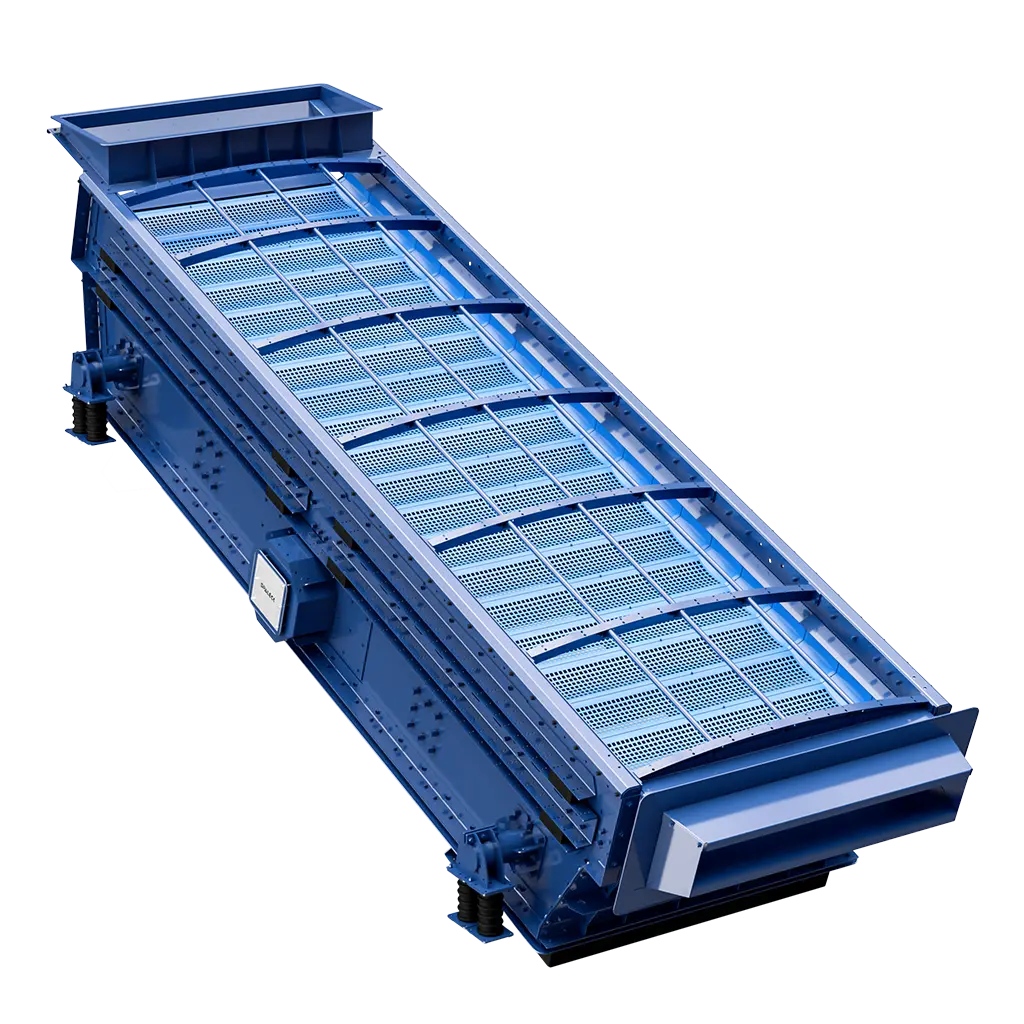
The SPALECK Recycling Waste Screen for construction materials enables cost-effective sorting by particle size. It also offers maximum reliability, high performance, and extremely precise screening sizes.

Cost-Effective Separation of Minerals & More
In recycling plants for construction waste and commercial waste, SPALECK Flip-Flow screening machines classify the material very efficiently, with separation sizes ranging from 0.2 to approximately 50 mm.
The Benchmark for Construction and demolition waste Screening technology
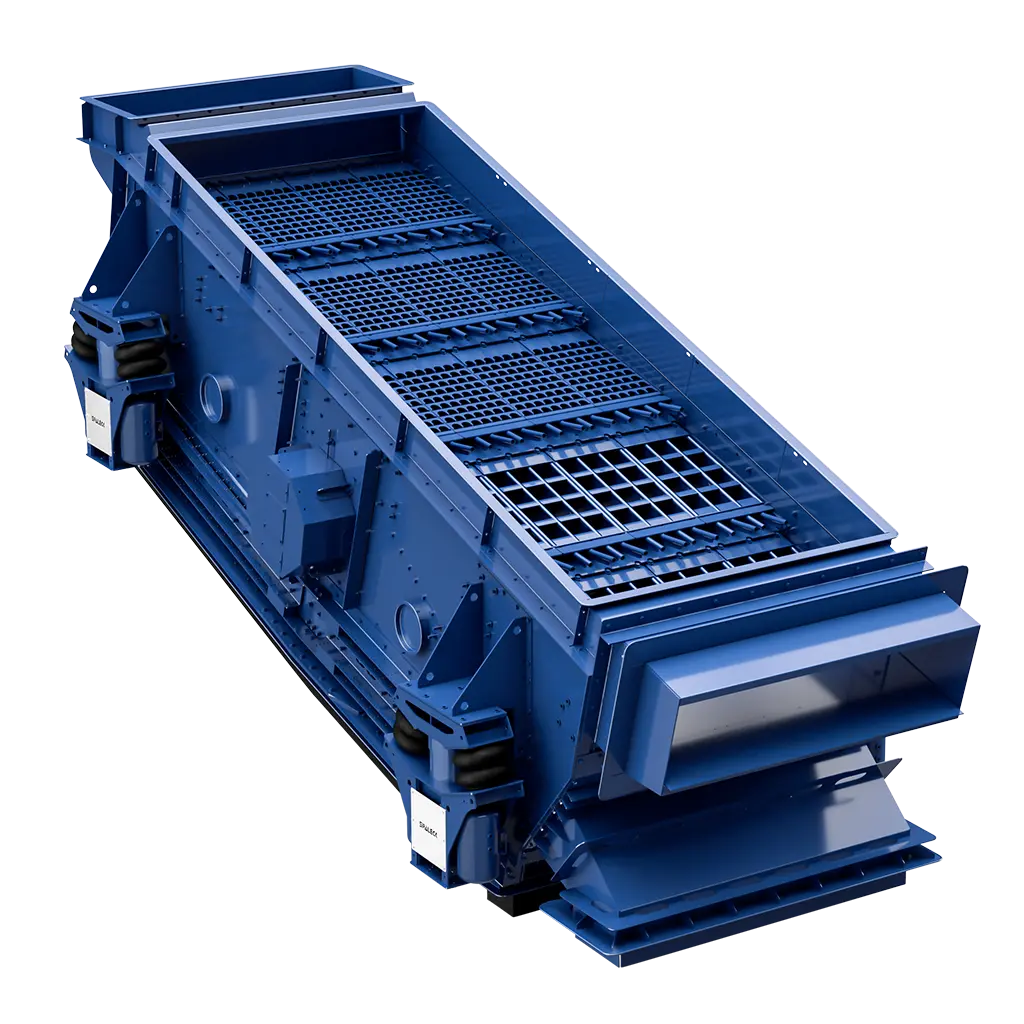
Internationally, the SPALECK 3D COMBI screening machine is a guarantee of successful recycling. This is because it combines the 3D upper deck of the Recycling Waste Screen with leading Flip-Flow screen technology in the lower deck. For sorting construction and demolition waste as well as commercial waste, the 3D COMBI classifies materials into up to five fractions.

Ideal for reducing the load on the crushing equipment
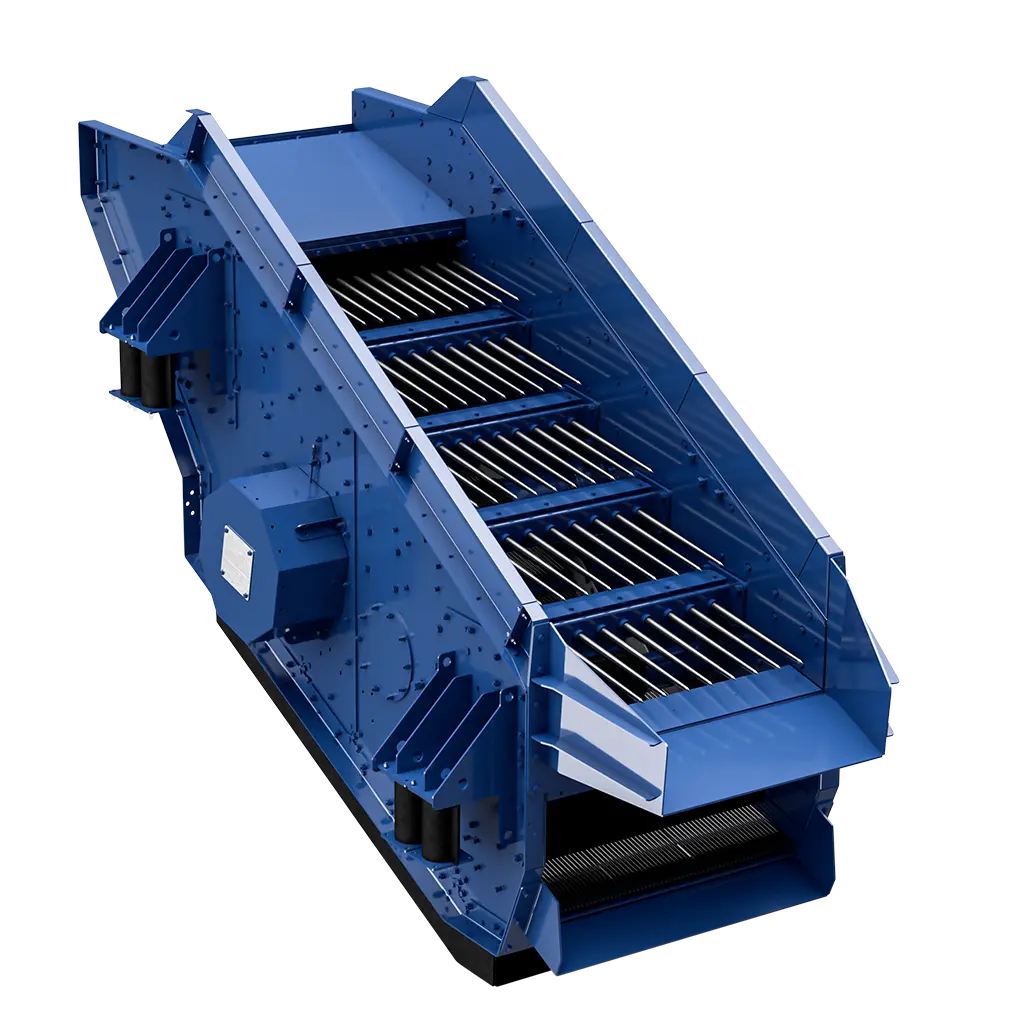
For the pre-screening of construction and demolition waste and industrial waste, we offer screening technology that is both robust and reliable. Our bar screens and Finger screens are ideal for coarse screening of your construction debris. Typical screening sizes, for example, are 0–300 mm and >300 mm.

Optimal Material Feed for Air Separators, Magnetic Separation, and Sorting Technology
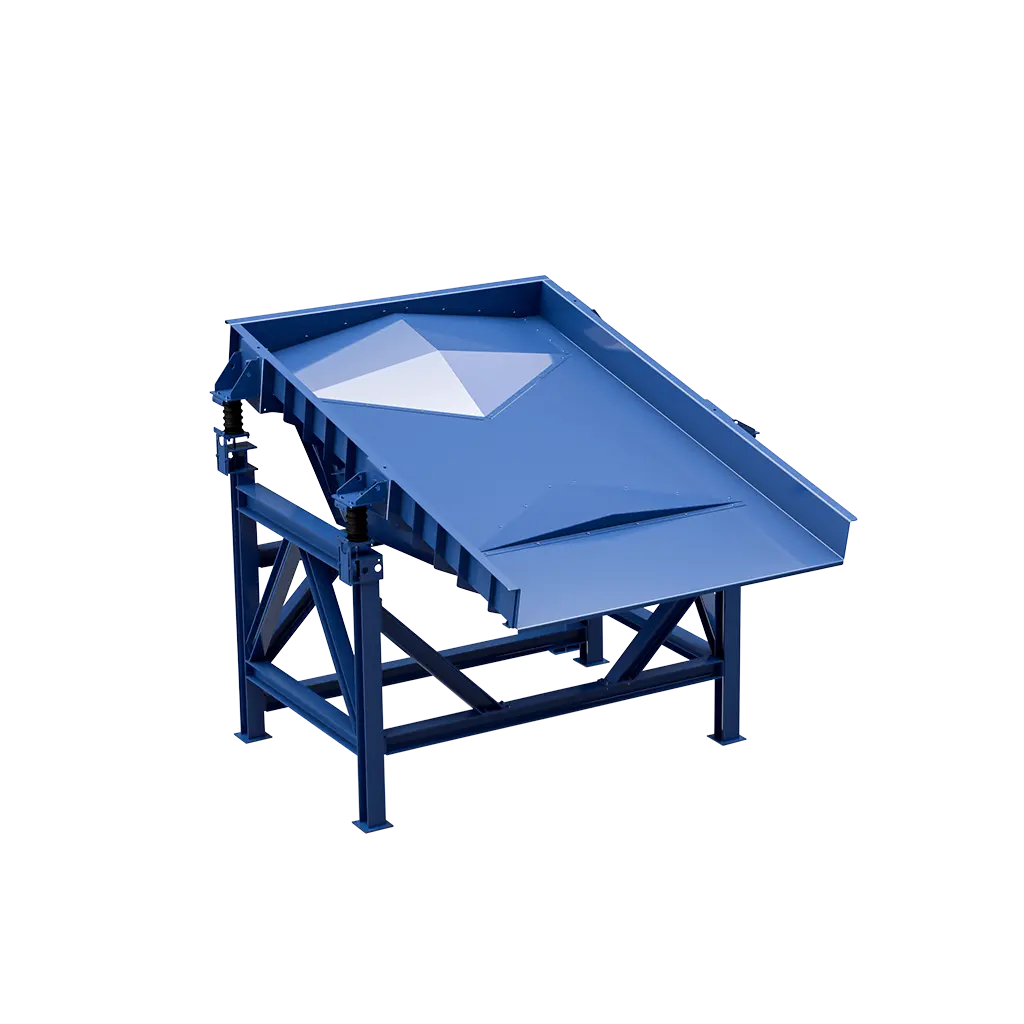
Sorting technology is only as good as the preceding Screening process and the material feed. With your SPALECK Vibratory feeders, you can ensure optimal material feed and distribution for your equipment in the construction materials recycling industry.

Reliable Material Supply for Construction and demolition waste
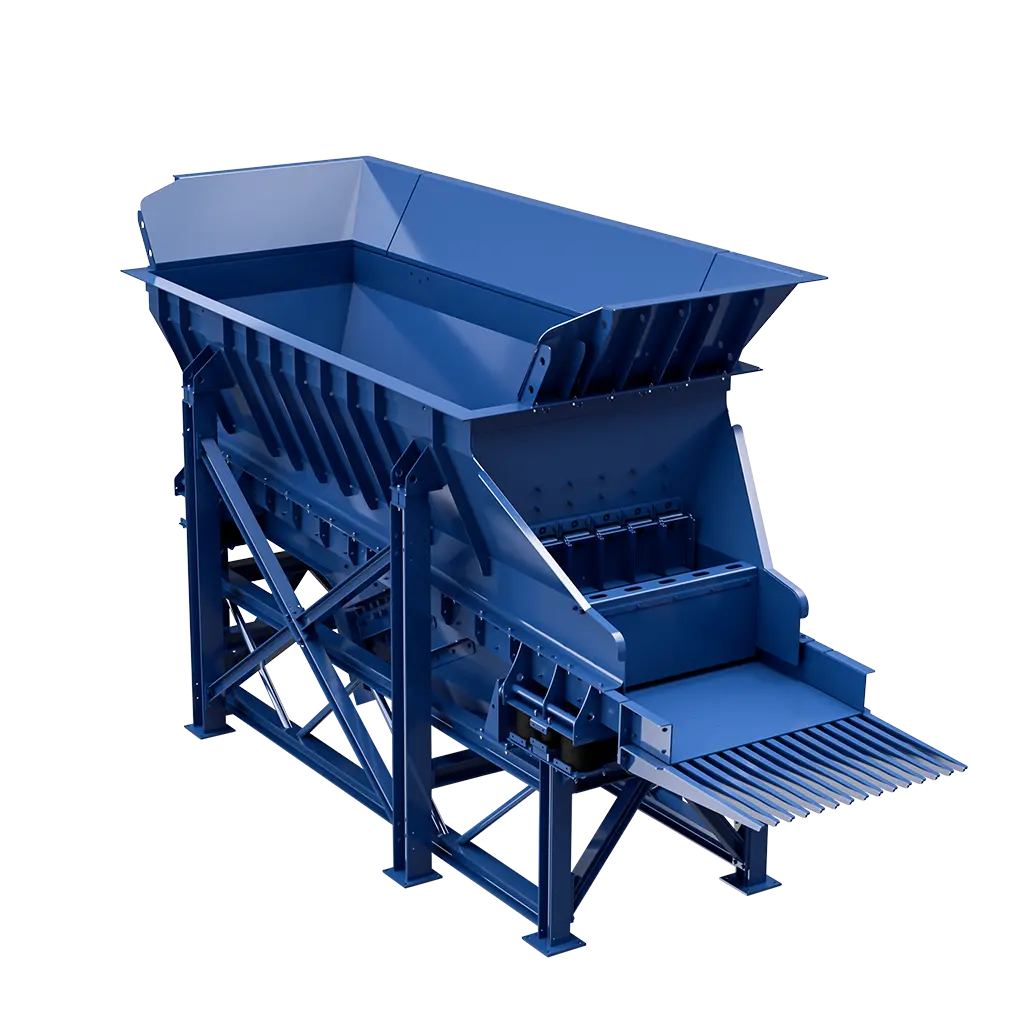
Infeed hoppers must be robust and operate reliably. Test our infeed hoppers at the SPALECK TestCenter. We’ll manufacture them for you in the size you specify and tailor them to your process.
You are currently viewing a placeholder content from Vimeo. To access the actual content, click the button below. Please note that doing so will share data with third-party providers.
More InformationYou are currently viewing a placeholder content from YouTube. To access the actual content, click the button below. Please note that doing so will share data with third-party providers.
More InformationYou need to load content from reCAPTCHA to submit the form. Please note that doing so will share data with third-party providers.

More Information