

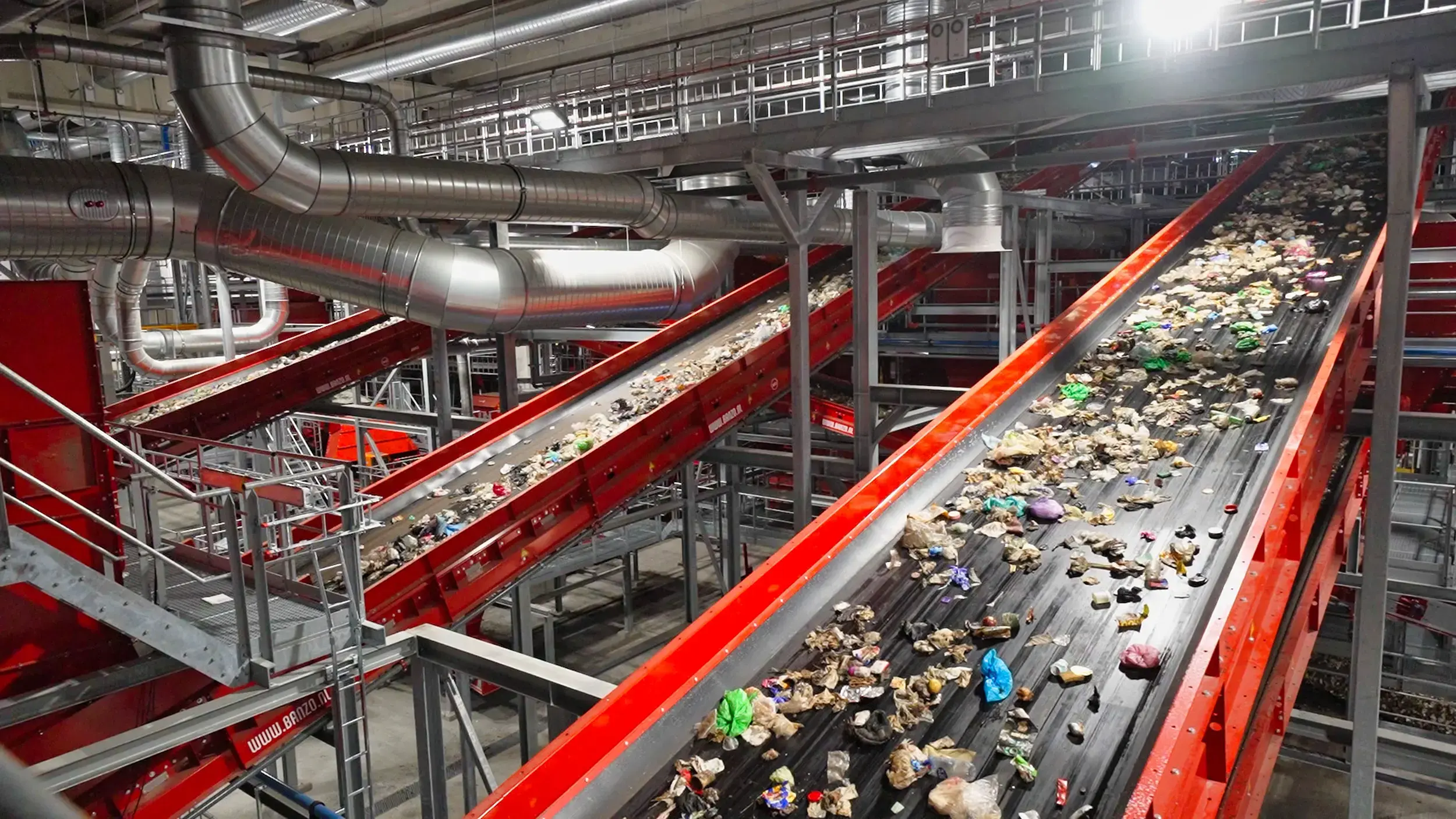

LIBS, XRT, XRF, and NIR sorters are considered high-end solutions for modern recycling technology among recyclers. They ensure the highest level of accuracy in the identification of recyclable materials, fully automated sorting of materials, and maximum recovery of recyclable materials—and today, this is often achieved using AI-powered recognition.
However, for these intelligent sorters to operate both precisely and cost-effectively, the input material must be properly prepared.
A key factor in this process is precise screening according to defined particle size ranges—that is, pre-sorting the material based solely on size.
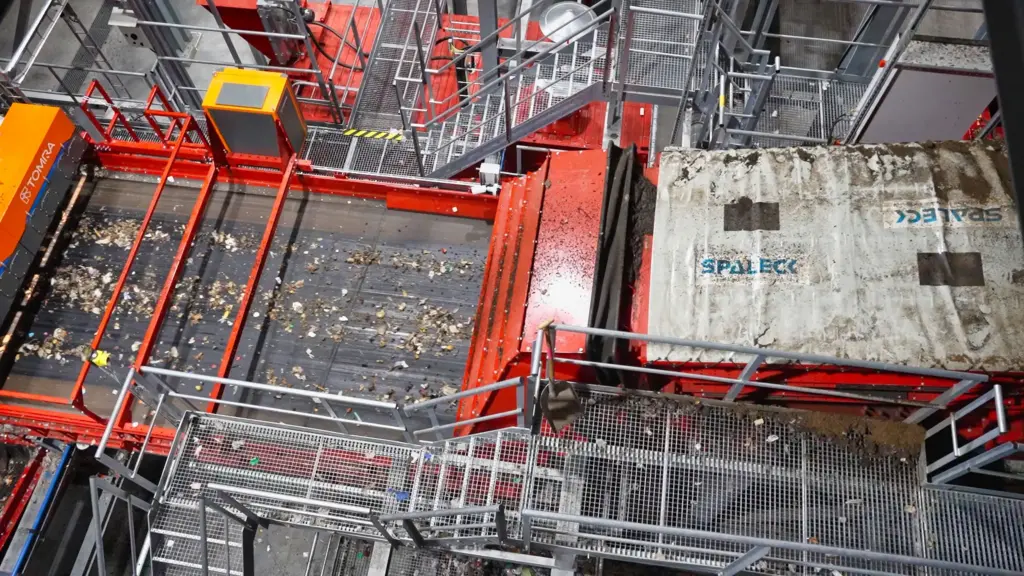
This is because LIBS, NIR, XRF, or XRT sorting systems can only reach their full potential if the particle sizes are precisely maintained and the material no longer contains any contaminants (e.g., fine particles or long pieces).
In this post, we’ll show you:
• Why Gute Siebtechnik Is the Right Partner for Modern Sorting Equipment
• What to Consider Regarding Screening When Designing a Recycling Plant’s Process Flow
• And how you can significantly increase the sorting capacity and profitability of your entire plant through optimal classification screening
________________________________________
Why Precise Screening Is So Important for Your Sorting System
Not all trash is the same
Whether it’s LIBS sorting technology, near-infrared (NIR) sorting, or X-ray sorting technology (such as XRF and XRT)—all sensor-based sorting machines perform best when the input material is neatly sorted by size.
To do this, it is necessary to screen out fine material (which is usually very dirty) beforehand. In practice, screen sizes such as 0–10, 0–15, or—depending on the recycling goal—even 0–20 mm are suitable for this purpose. This reliably keeps the very fine material—which could simply clog or even damage the sorting equipment (e.g., by getting stuck under the conveyor belts)—away from the sensitive sorting technology. In addition, the fine particles can interfere with and hinder the sorting process when it comes to correctly identifying and detecting the material.
In addition, the additional screen sizes—such as 10–30 mm or 20–60 mm—ensure the ideal particle size distribution for the sorting equipment. The sorting machines work best with a grain size distribution ratio of 1 to 3.
The screening machine is also used to remove long pieces. This has the advantage that the material to be detected is not obscured or covered by larger parts. In addition, screening out the long pieces prevents them from standing upright unintentionally—for example, on the conveyor belt of the sorting machine—due to the belt speed. This reduces the risk of damage to the expensive equipment installed above the conveyor belt. In addition, due to their physical properties, long parts often fly into the target fraction as if thrown like a javelin, or they unintentionally drag smaller parts along with them.
The goal of screening is to remove unwanted material—whether fine or coarse, wet, or sticky—and thereby optimize sorting accuracy. In addition, high-quality screening machines ensure that the material is evenly distributed across the entire working width of the sorting machine.
What happens if the screening results are inaccurate?
- In practice, incorrect and imprecise screen cuts lead to costly losses of recyclable materials
- The target fractions can easily become contaminated, resulting in lower sales revenue
- This results in time-consuming re-sorting and, consequently, duplicate work
- The sorting equipment is exposed to an unnecessary risk of damage
- Production costs per metric ton are rising, while yields are falling
________________________________________
Technical Background – Explained Simply
Example of LIBS (Laser-Induced Breakdown Spectroscopy) sorting:
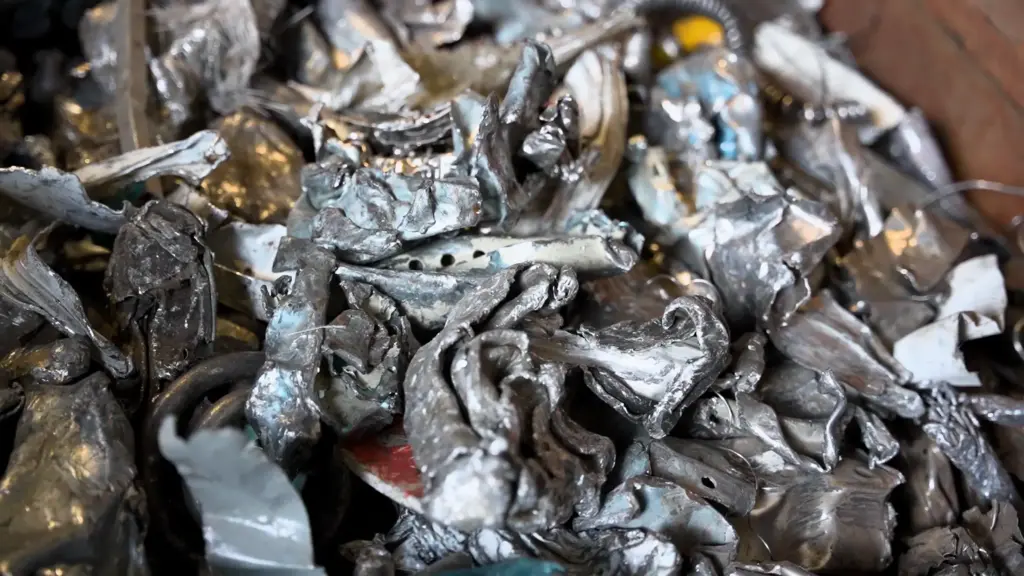
In order to accurately detect aluminum-containing metal alloys using the relatively new LIBS technology, each individual piece of material must be fed into the LIBS sorting machine in the optimal position. It’s best if it’s also free of dirt particles (keyword: screening out unwanted fine particles).
Example: NIR:
Moist, sticky biomass or contaminated plastic waste with fine particles that have not been screened off can cause false signals during NIR detection.
Conclusion: The more consistent the particle size distribution after screening, the better the sorting results will be. That is why we at SPALECK consistently stand behind our BEST SCREENING philosophy. BEST SORTING. FOR THE BEST SORTING QUALITY.
________________________________________
4 Common Mistakes—and How to Avoid Them
Error
- Inadequate fractionation before the sorting equipment
- Material that is too dirty, wet, or sticky is fed into the sorting machines
- irregular material feed
- Clogging of the screen liners
Risk
- Poor material yield, sloppy processes
- Damage to the sorting equipment, sorting errors
- Overloading or Underloading the Sorter
- Extensive cleaning required, poor grain distribution on the conveyor belt for the sorter
Solution Using SPALECK Technology
- Highly precise screening with 2–5 fractions, depending on the type of screening machine
- Screen liners selected specifically for each type of recyclable material to produce very precise fractions
- Screening machines that deliver the material optimally, or alternatively, ActiveFEED technology for continuous feeding
- SPALECK ModularDESIGN+ with Quick-Change System
________________________________________
The optimal solution: FOR BEST SORTING QUALITY
Our SPALECK screening technology is 100 percent tailored to your recycling process. This ensures optimal results in the downstream magnetic and sensor sorting processes.
Among other things, the following are used:
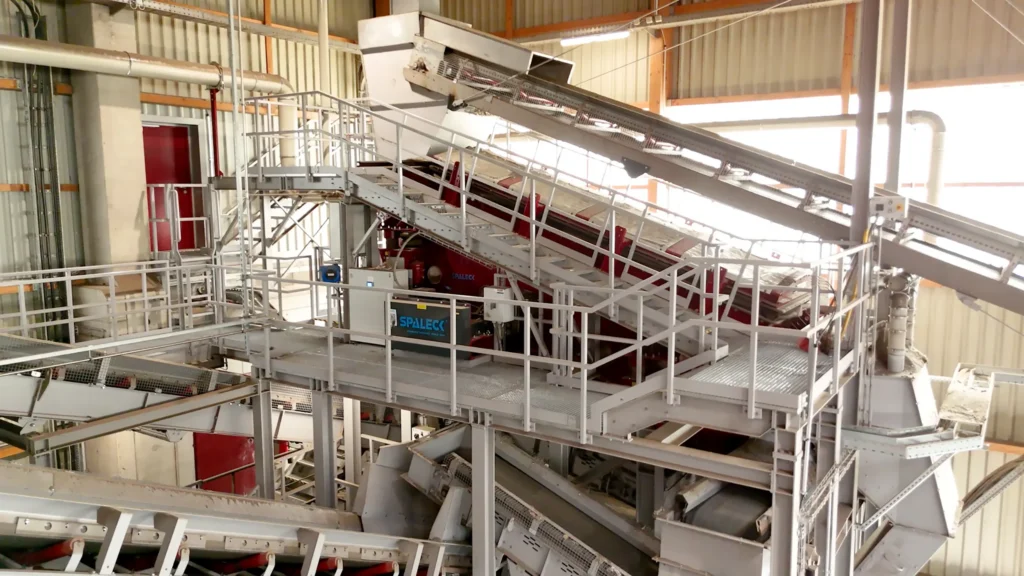
- 3D COMBI Screening Machines
A high-performance double-deck screening machine capable of producing up to 5 fractions.
- Flip-Flow Screening Machines
Equipped with innovative tensioned-shaft screening technology—for example, our MultiZONE DECK, which enables varying material accelerations for an optimal screening and feeding process.
- Recyclable material sieves
We also build our recycling screens specifically for your application. Like all SPALECK screening machines, they are modular and can be easily adapted, even when switching materials.
- ActiveFEED feed hopper
ActiveFEED technology stands for NEXT LEVEL SORTING —as confirmed by customers and sorting equipment manufacturers.
- Optional:
Special features for process optimization for your recycled material.
________________________________________
What are the specific benefits for you?
Benefits for Your Recycling Business:
- Higher Sorting Quality: Top-Quality Recycled Material for Optimal Recovery
- Less re-sorting: Time savings, optimized staffing needs
- Higher material yield: More yield per metric ton, less waste
- More Cost-Effective Line Operations: Increasing System Availability, Protecting the Equipment in Use
- Faster payback on sorters: More output with the same technology = increased return on investment
________________________________________
Project Examples: Metal Recycling and Waste Wood Processing
Example: Non-ferrous Metal Recycling
• The use of a SPALECK 3D COMBI screening machine enables virtually maintenance-free operation with excellent screening and sorting results
You are currently viewing a placeholder content from YouTube. To access the actual content, click the button below. Please note that doing so will share data with third-party providers.
Example: Waste Wood Processing
• The use of a SPALECK recycling screen in waste wood processing ensures precise screen sizes for subsequent metal separation and thermal recycling
You are currently viewing a placeholder content from YouTube. To access the actual content, click the button below. Please note that doing so will share data with third-party providers.
________________________________________
Expert Knowledge at a Glance
“The economic outcome of any recycling process results from the interaction of the technologies used.” If I use the wrong technique during the process, or if it isn’t the best fit for my material, the overall result suffers. “When it comes to screening technology, we take great care to ensure that the screening process is a key factor in the success of your recycling results.”
Frederik Stening, Head of Application Engineering at SPALECK
________________________________________
Test Your Sorting Line for Performance
Book comprehensive testing of your material at the SPALECK TestCenter now—free of charge, of course!
After a day of joint testing at the SPALECK TestCenter, you’ll know how to get the most out of your material.