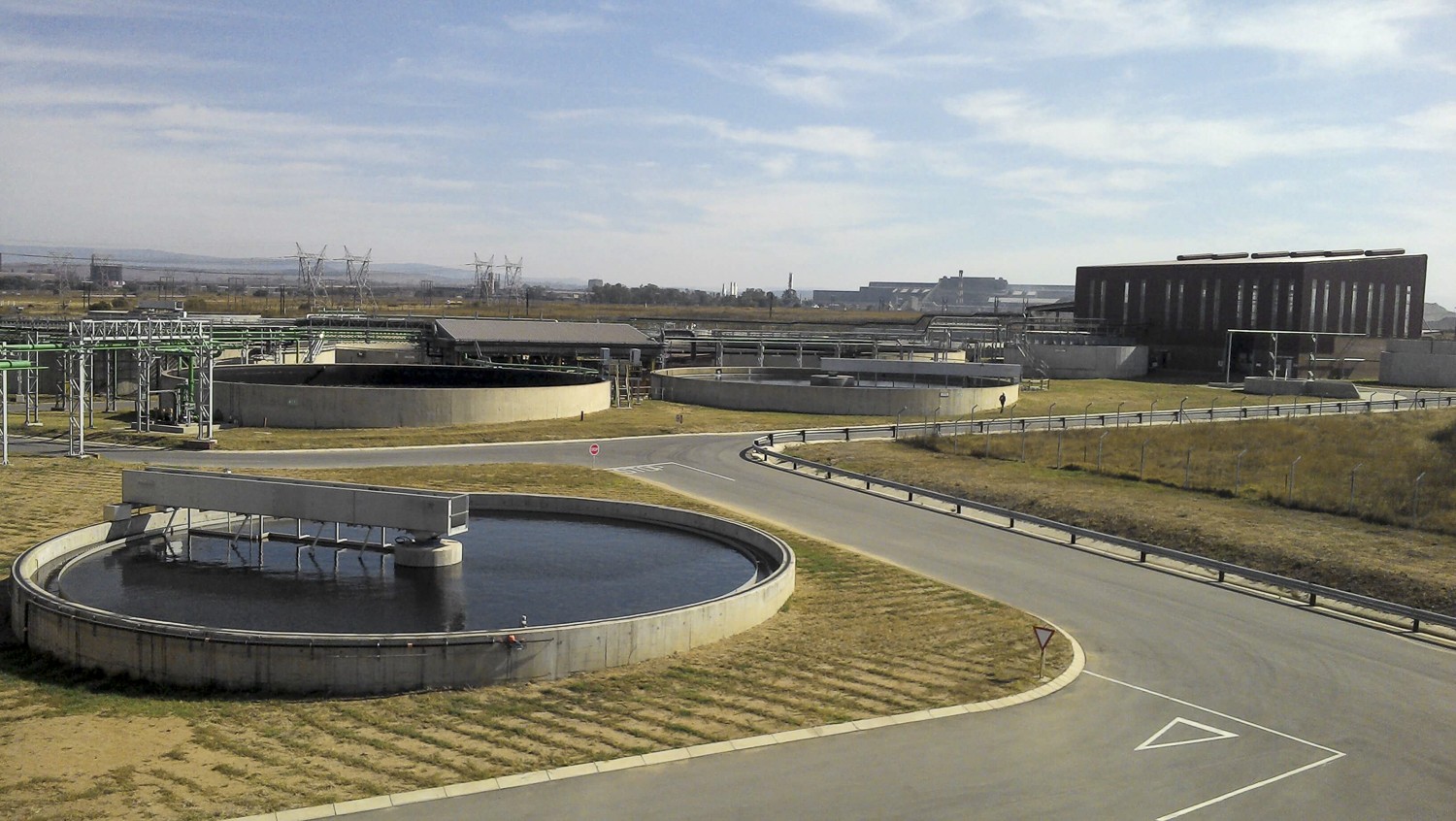
Biological treatment for maximum degradation efficiency
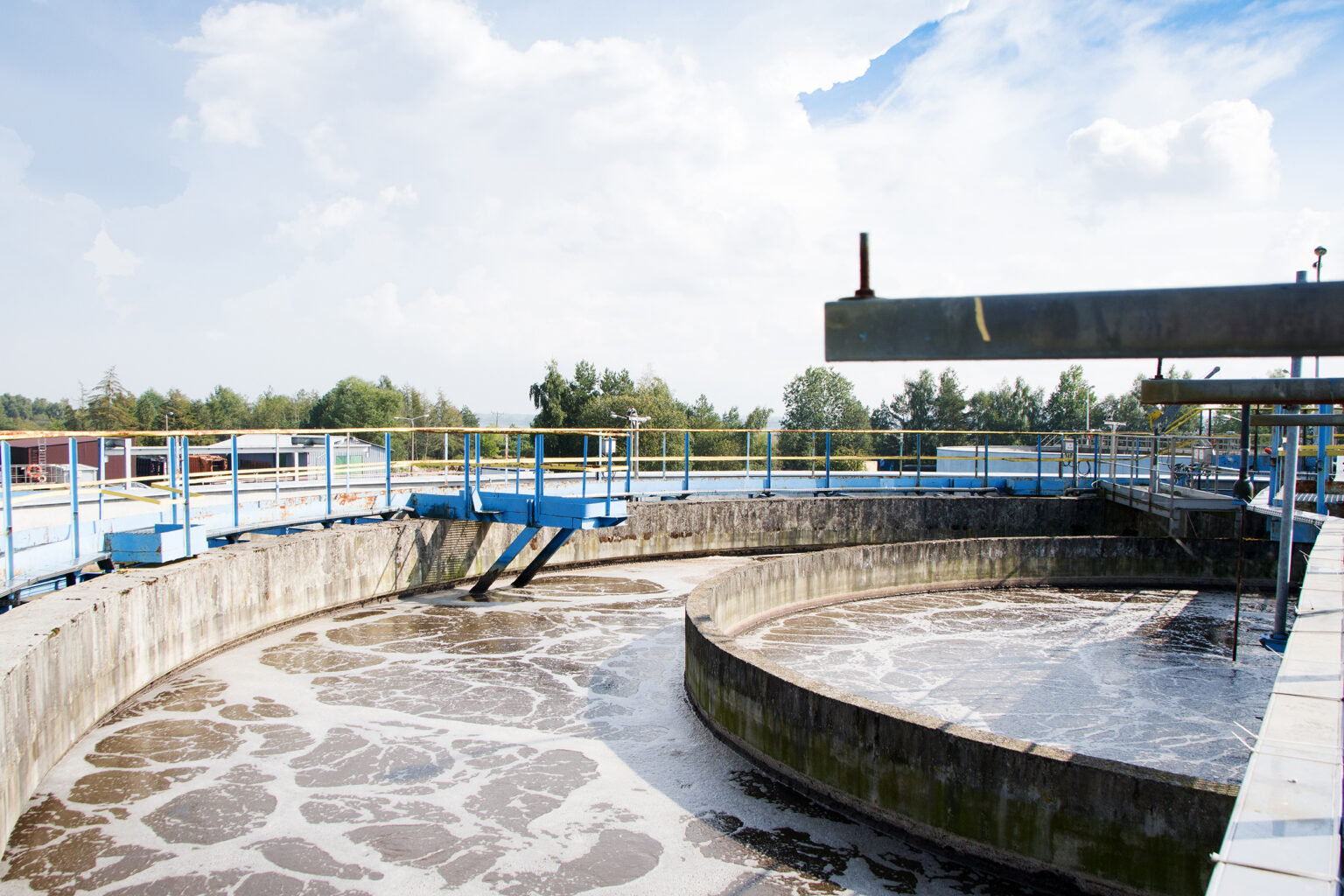
Aerobic treatment utilizes the natural metabolism of microorganisms to efficiently break down organic contaminants in the presence of oxygen. This process is the standard method for the biological treatment of highly contaminated wastewater and ensures a reliable reduction in COD and BOD levels.
In aerobic wastewater treatment, microorganisms reliably break down organic matter in the presence of oxygen. Since this natural process does not require the use of expensive chemicals, it is often the most cost-effective method in waste water technology for breaking down large loads of organic matter. The result: low COD/BOD values, stable operational reliability, and clean water with minimal operating costs.
SPALECK Wassertechnik develops customized solutions for this purpose that are precisely tailored to your processes and your wastewater.
Wastewater treatment using oxygen is the standard method for COD/BOD removal. Microorganisms reliably mineralize complex substances during treatment. These solutions provide a level of water purity far exceeding that of mechanical processes and safeguard your process.
Whether it’s nitrogen removal or the degradation of trace substances, the biological treatment stage provides the necessary depth for any wastewater treatment process. By converting critical pollutants, you can be confident that you will consistently meet regulatory limits throughout the process. Our solutions ensure that your wastewater discharge complies with all legal requirements.
Our water treatment systems are extremely robust in the face of fluctuating wastewater conditions. Thanks to intelligent control of the oxygen supply, the air supply dynamically adapts to the quality and quantity of the wastewater. This ensures stable treatment without any loss of performance—the ideal solution for peak loads directly within your production process.
Aerobic wastewater treatment is at the heart of legally compliant wastewater disposal. By enabling microorganisms to break down organic pollutants with high efficiency, this process allows for the safe direct or indirect discharge of your treated wastewater into receiving waters or the municipal sewer system. This reliably protects you from high wastewater discharge fees, reduces maintenance costs throughout the entire process, and ensures that the required effluent quality is maintained over the long term.
Industrial wastewater contains a wide variety of contaminants that can affect processes, equipment, and environmental regulations. See how SPALECK Water Technology efficiently reduces various organic and, in some cases, inorganic contaminants, thereby ensuring consistent water quality and sustainable processes.
Every process leaves its own unique fingerprint in the wastewater. In our in-house laboratory, we conduct detailed degradation studies on your wastewater. We test and design the exact solution for your specific parameters—ensuring that the treatment process remains absolutely stable even when dealing with complex mixtures of substances.
Chemical oxygen demand (COD) and biological oxygen demand (BOD) are the most important indicators of pollution in your wastewater. In the aerobic stage, specialized microorganisms use these dissolved organic compounds as food. Under controlled oxygen supply, the substances are largely metabolized and converted into Biomass. The result is a massive reduction in pollutant load and clear effluent.
Aerobic wastewater treatment creates a stable environment populated by beneficial microorganisms. This highly active activated sludge competes directly with pathogenic microorganisms and suppresses their growth. To ensure complete sterilization—for example, for reuse as process water—the aerobic stage optimally prepares the water so that downstream decontamination modules (such as disinfection) can operate with maximum efficiency.
PFAS compounds are hardly biodegradable. Nevertheless, aerobic wastewater treatment plays a crucial role in the overall process: it mineralizes the organic background load (COD) in your wastewater.
This pre-treatment prevents ordinary contaminants from clogging the downstream specialty filters. Without biological COD degradation, up to 99.9% of the activated carbon or ion exchangers would be occupied by accompanying substances—leaving hardly any space for the PFAS molecules. After the biological reduction of COD, the adsorption capacity for PFAS on the filter media increases fiftyfold. Only this enables targeted, highly efficient binding of the contaminants and maximizes the service life of your filtration systems.
High nitrogen loads pose an environmental burden. Through precise control of the aeration phases, our aerobic stage first converts ammonium into nitrite and then into nitrate (nitrification). In the anaerobic stage, this nitrate is ultimately broken down into harmless, gaseous atmospheric nitrogen. This ensures that you reliably comply with even the strictest discharge limits for water bodies.
Dissolved iron and manganese cause turbidity and Blockages in treatment plant equipment. As COD/BOD levels are reduced, these metals are oxidized through the intensive introduction of oxygen in the aerobic stage. They transition from a dissolved to a solid state (flocculation) and can then be mechanically separated during the separation phase. This protects your entire infrastructure from corrosion and deposits.
Organic oils and grease pose major problems for many wastewater treatment systems. In our high-performance aerobic treatment stage, these substances are broken down into their constituent parts and converted into energy. Instead of sticking pipes and filters, the greases are biodegraded, which significantly extends the maintenance intervals for your system.
Pesticides often consist of complex organic molecules. Aerobic water treatment utilizes the high metabolic rate of microorganisms to break down these active ingredients and disrupt their molecular chains. Many pesticides are thus directly mineralized or converted into a form that can be completely removed during the subsequent fine filtration.
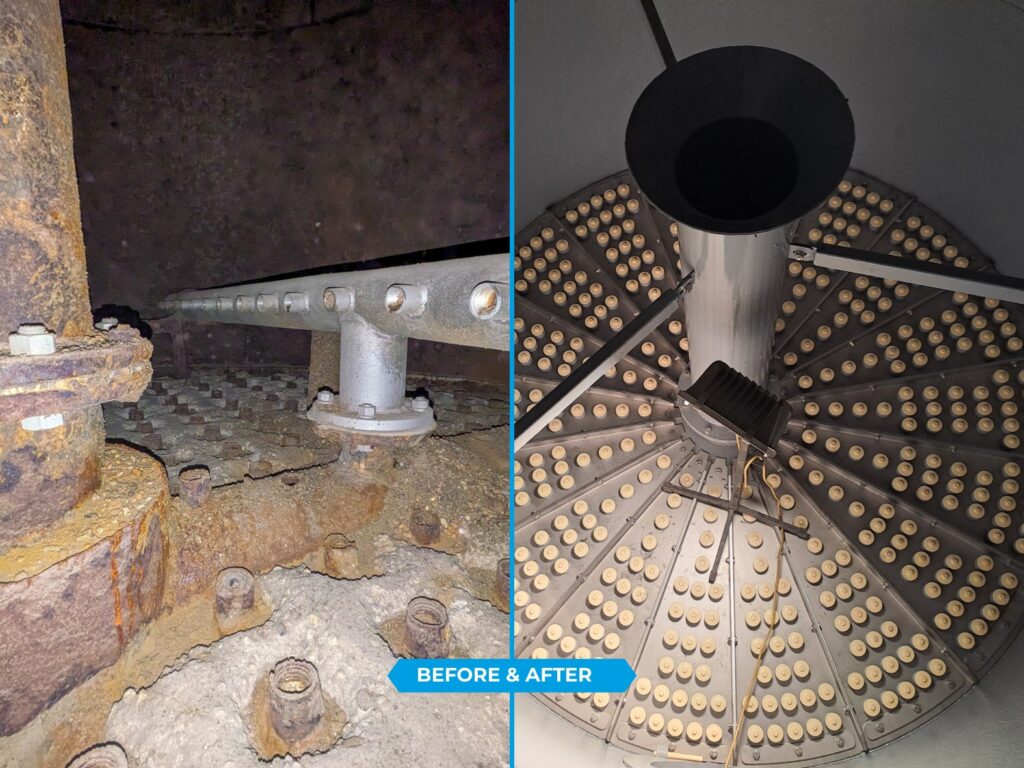
Aerobic water treatment utilizes one of nature’s most efficient principles: the breakdown of organic matter by oxygen and specialized microorganisms. In our plants, we optimize this process through intelligent control systems and state-of-the-art machinery. The goal is a highly efficient treatment cycle that dynamically adapts to your wastewater load and guarantees consistently high water quality.
In the first step, oxygen is injected into the wastewater in the form of fine bubbles. This oxygen serves as the “fuel” for the process: it activates the aerobic microorganisms living in the water and, at the same time, oxidizes dissolved substances such as iron or manganese, causing them to flocculate and become filterable.
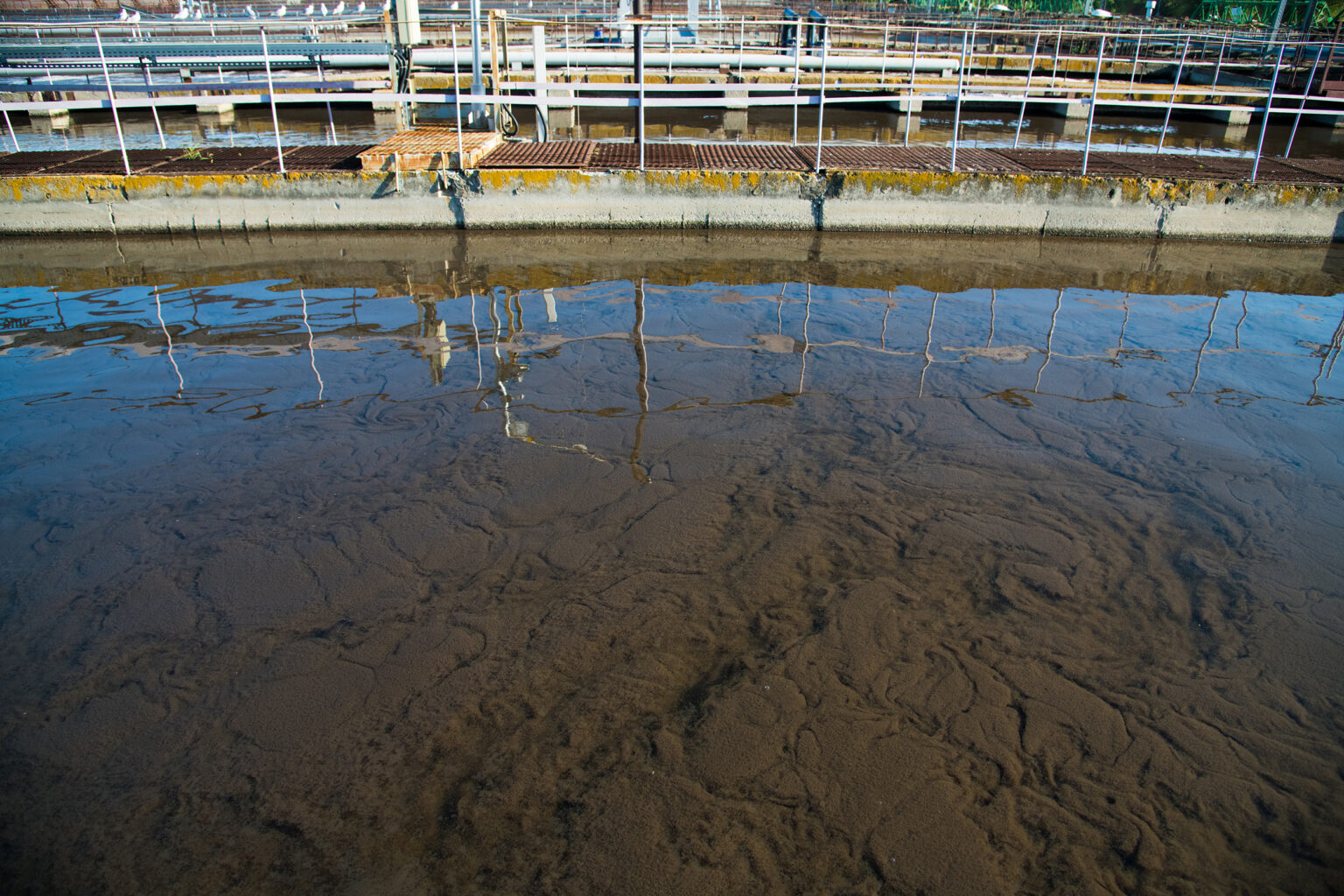
The actual purification takes place in the activated sludge tank. The highly active microorganisms use the dissolved organic contaminants (COD/BOD) and nitrogen compounds as food and a source of energy. They break down complex molecular chains and mineralize them into harmless end products such as water, CO2, and Biomass.
In the final step, the treated liquid is separated from the resulting Biomass (the activated sludge). This is done either through sedimentation and dewatering or through state-of-the-art membrane filtration. The result is clear, odorless water, while the excess sludge is either recycled or discharged.
Every industrial process requires different water qualities. With us, you’ll always find exactly the right solution for your wastewater treatment.
The efficiency of aerobic treatment depends entirely on the quality of the raw water. By specifically treating well water in the first step, we prevent undesirable substances from blocking the oxygen supply or damaging the biological system. This ensures consistent pollutant removal, protects your plant equipment from scale buildup, and simultaneously eliminates your reliance on expensive municipal water.
High-quality process water ensures your product quality and protects your infrastructure. By using reverse osmosis or ion exchange resins downstream of the aerobic stage, we ensure that hardness and conductivity precisely meet your requirements. This provides you with perfectly treated water that is optimally tailored to your internal usage processes and guarantees that your equipment retains its value.
Not every application requires drinking-water quality. After targeted filtration, the clarified water recovered from the aerobic stage provides the ideal basis for cooling processes, fire suppression systems, or washing applications. By implementing this recirculation system, you can optimize your water balance, sustainably reduce operating costs, and simultaneously meet the strict environmental requirements of modern industrial sites.
Close the loop right at the source. By combining our aerobic systems with state-of-the-art membrane and filtration technology, we treat your wastewater so that it can remain in the process permanently. The result is a drastic reduction in your wastewater fees and the ability to secure your site’s long-term viability by reducing dependence on local resources—environmentally sound and highly attractive from an economic standpoint.
Spaleck Wassertechnik GmbH
Robert-Bosch-Str. 6
46397 Bocholt
Phone: +49 2871 2134 – 0
Email: info@spaleck.de
Oxygen-assisted wastewater treatment offers a reliable solution for contaminated wastewater. Through targeted oxygenation, pollutants are broken down, COD and BOD are reduced, and the water is prepared for reuse or safe discharge.

Cooling lubricants, greases, oils, and metal residues place a massive burden on wastewater. Our aerobic processes guarantee consistent treatment performance and reliably reduce COD/BOD levels. The result is clearly treated wastewater.
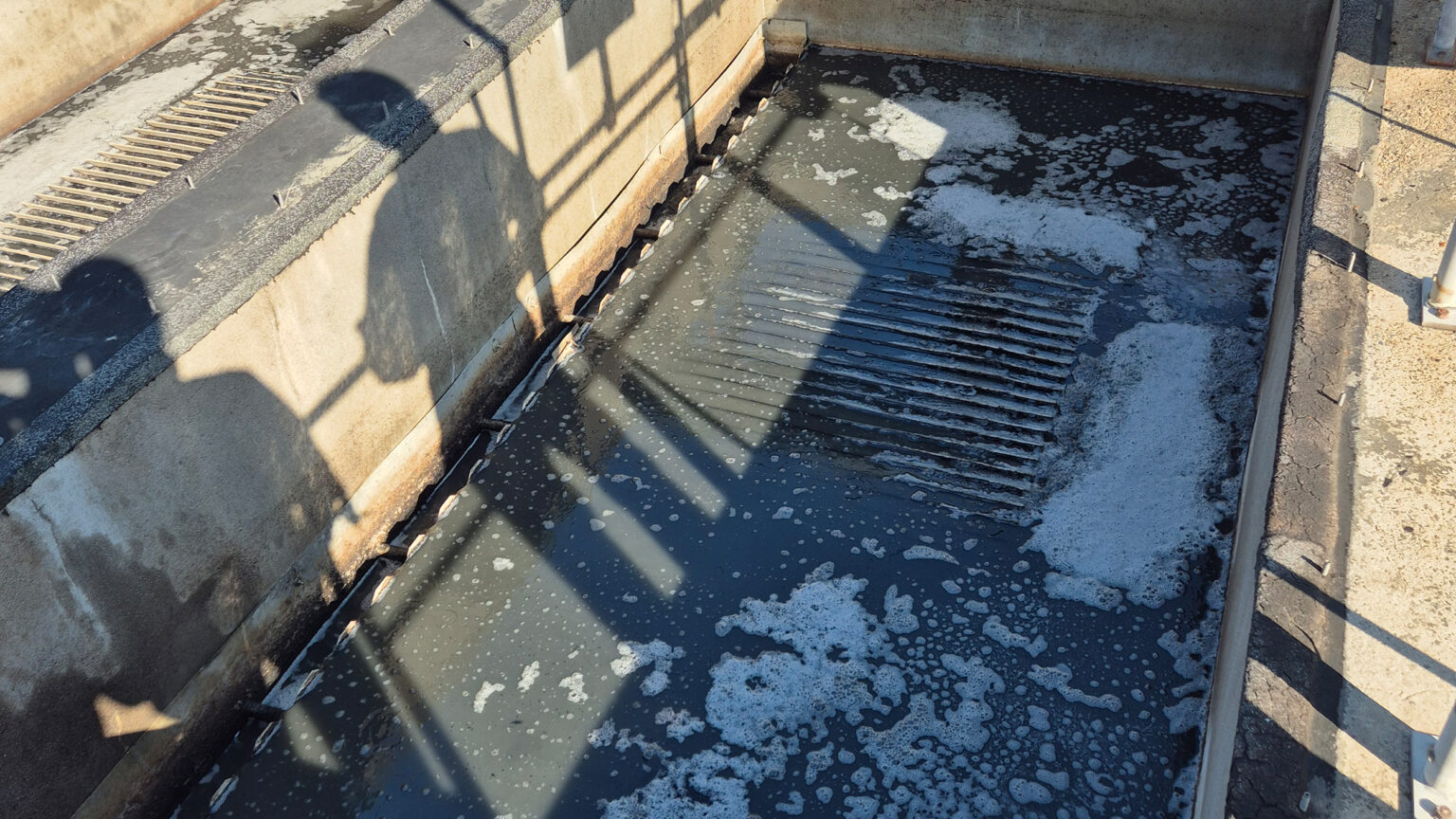
High loads of sugar, grease, proteins, and starch are ideal for aerobic degradation. Our systems completely break down these organic loads and drastically reduce COD/BOD levels. This ensures hygienically clean water and reliable compliance with strict discharge regulations.
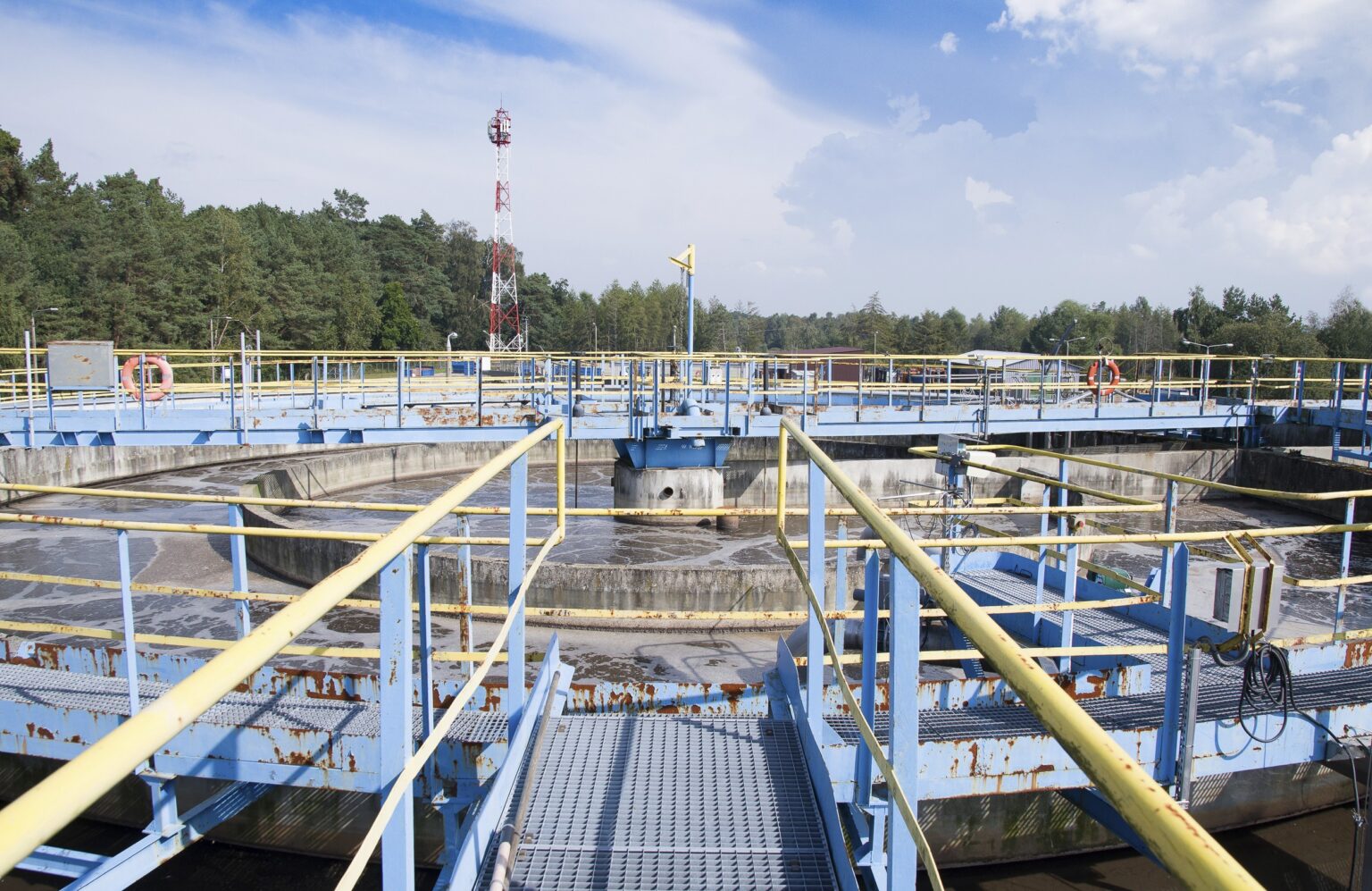
Pigments, solvents, and resins require high-performance treatment. Through aerobic treatment, these substances are biologically degraded, and the chemical oxygen demand is specifically reduced. This makes the water suitable for use in subsequent production steps or prepares it safely for discharge.

Complex organic compounds and solvents pose significant challenges for purification. Aerobic processes break down these structures in a targeted manner and significantly reduce contaminant levels. This provides you with water with process reliability for subsequent production steps and minimizes costly disposal fees.
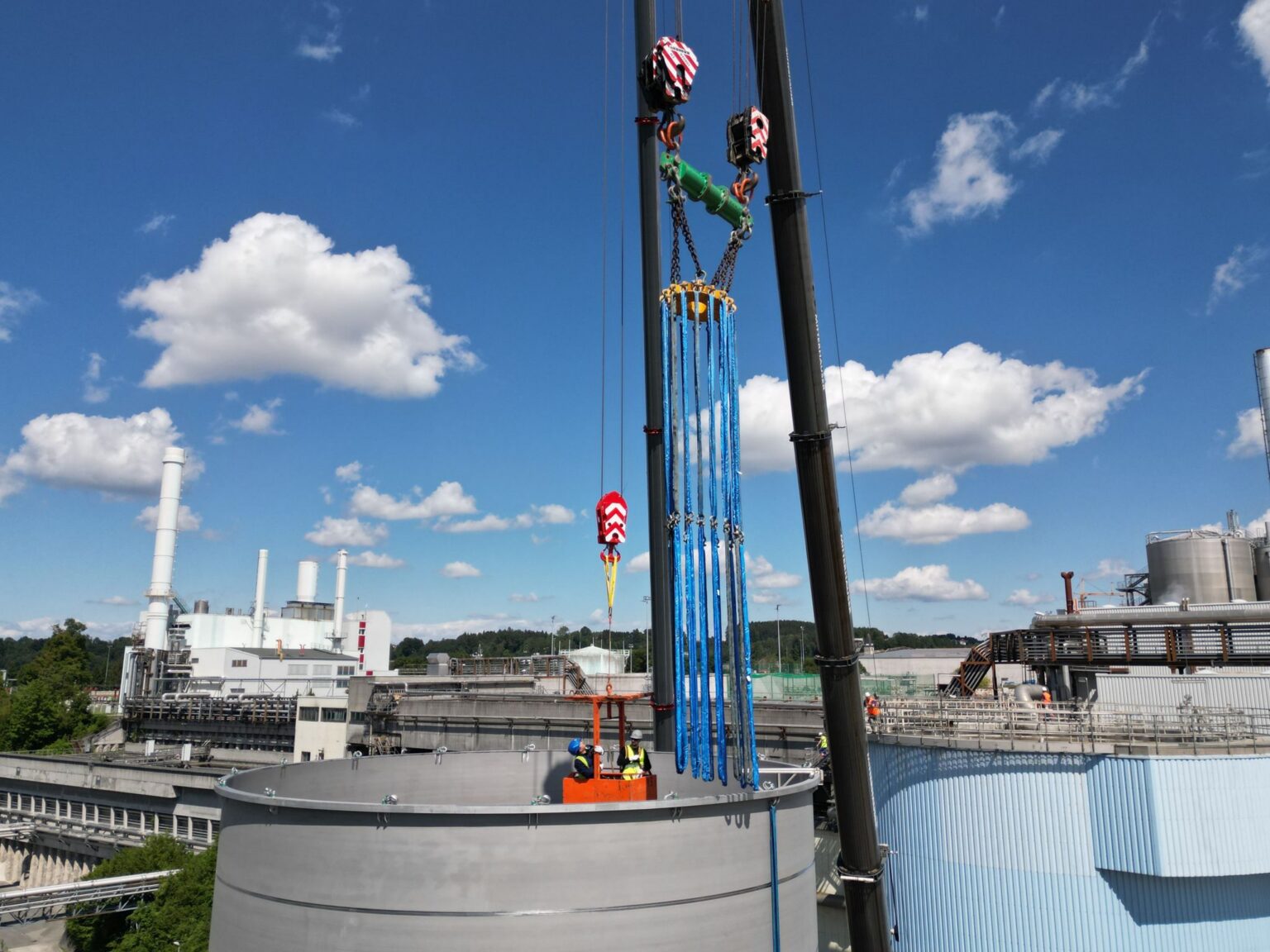
Fibers, starch, and organic residues often result in high wastewater loads. Our aerobic systems ensure the efficient degradation of these substances and sustainably reduce COD/BOD levels. This enables the large-scale recycling of water back into the production process and helps preserve your water balance.

Every production process has its own environmental footprint. Our aerobic systems can be flexibly adapted to your specific parameters to reduce environmental impact and efficiently reuse water. We design the safest, most sustainable, and most cost-effective solution for you—tailored precisely to your needs.
If you have any questions about SPALECK water technology, our experts will be happy to assist you.
Here are some questions about aerobic water treatment using SPALECK water technology. If you still have questions, just send us a message.
Yes, when space is limited, we rely on compact technologies. These require significantly less space than conventional systems and at the same time deliver excellent water quality that almost reaches drinking water level and is ideal for recirculation.
This is a central point in our engineering. We rely on highly efficient systems and intelligent control. The system regulates the oxygen supply precisely according to actual demand. In this way, we avoid unnecessary energy consumption during non-production times and reduce your running costs.
Aerobic processes produce excess biological sludge. On request, we integrate the appropriate sludge treatment directly – from thickening to dewatering. Our aim is to reduce the volume of sludge to such an extent that your disposal costs and the number of removals are reduced to a minimum.
Our systems are characterized by a high degree of flexibility. Thanks to sufficiently dimensioned buffer tanks and robust biology, we can absorb peak loads. The control system of the SPALECK wastewater treatment plants automatically adjusts the cleaning cycles to the current load in order to achieve a stable effluent quality.
Aerobic processes are extremely versatile and proven. They are ideal for wastewater with a medium organic load, as is the case in many branches of industry. The process is comparatively easy to control and delivers a very high purification performance, meaning that the water can often be discharged directly without any problems or even reused after filtration.
You are currently viewing a placeholder content from Vimeo. To access the actual content, click the button below. Please note that doing so will share data with third-party providers.
More InformationYou are currently viewing a placeholder content from YouTube. To access the actual content, click the button below. Please note that doing so will share data with third-party providers.
More InformationYou need to load content from reCAPTCHA to submit the form. Please note that doing so will share data with third-party providers.

More Information