

How much will it cost me if the system is unexpectedly shut down or isn’t operating at peak efficiency?
Every recycling process incurs costs, whether it involves processing metal, construction and demolition waste, Household waste, or alternative fuels, for example. These costs arise from, among other things, labor, energy expenses, the use of sorting technology, and other factors such as plant monitoring, planning, and control.
To illustrate this, we will examine the following three situations in this article:
- Stoppage: The material feed comes to a halt because a Blockage must be cleared.
- Idle: The sorting system is running at full speed but is not receiving any material at times.
- Underfeeding or overfeeding: In the sorting process, too little or too much material is being fed into the system.
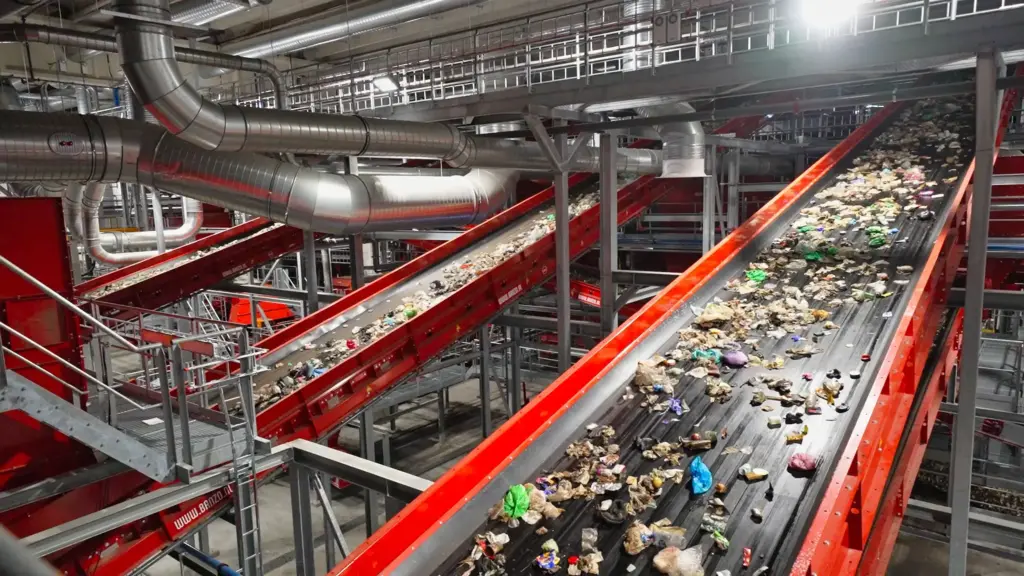
Here’s a simple example: At a recycling facility, Blockages occur multiple times during a shift at the material loading point. As a result, the sorting equipment initially continues to run without material. The plant continues to consume energy. Some staff members cannot be deployed productively. Depending on the severity of the blockage, the plant is shut down. Employees must manually clear the blockage (caution: workplace safety). The electricity meter and the labor cost meter simply keep running during this time. After restarting, the sorting equipment is often overloaded with material in practice. The sorting system may not be able to process this surge of material with the desired sorting quality.
In this case, it’s worth taking a closer look for recyclers:
- How often do these kinds of disruptions occur in my material feed?
- How long do they take, and what costs and risks are involved for me?
- Which expenses add up over time?
________________________________________
The material feed is an important step in the process and a key factor in improving efficiency
From our experience with many metal recycling projects, we know how important the material feed is to the overall process. Imagine that the processing procedure—from material loading through sorting—runs very efficiently and without disruptions. The high-quality sorting plant continuously receives the intended amount of material. And even when comparing shifts, the feed rate remains consistent—regardless of how much experience the teams have.
“Too good to be true,” is that what you’re thinking?
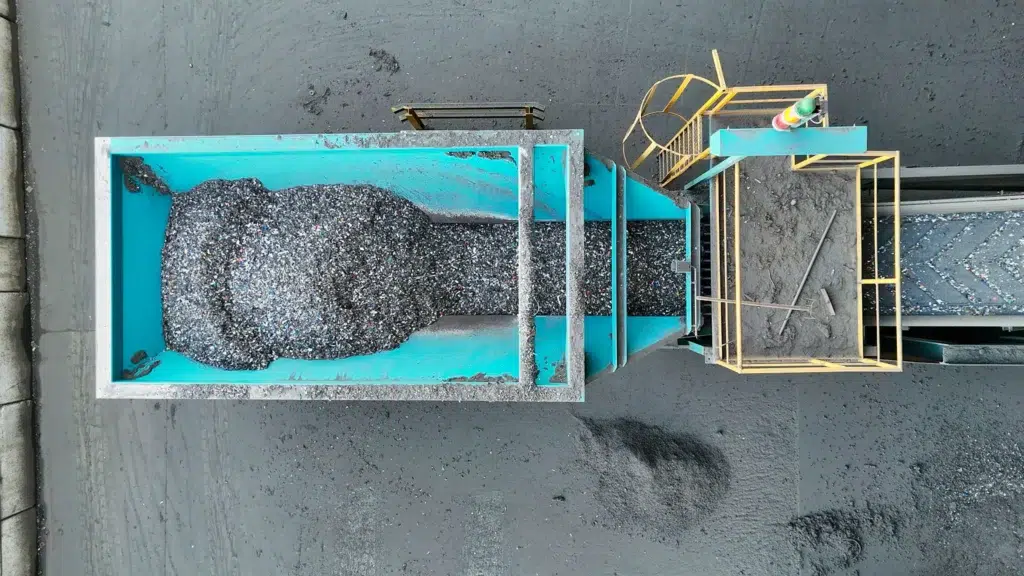
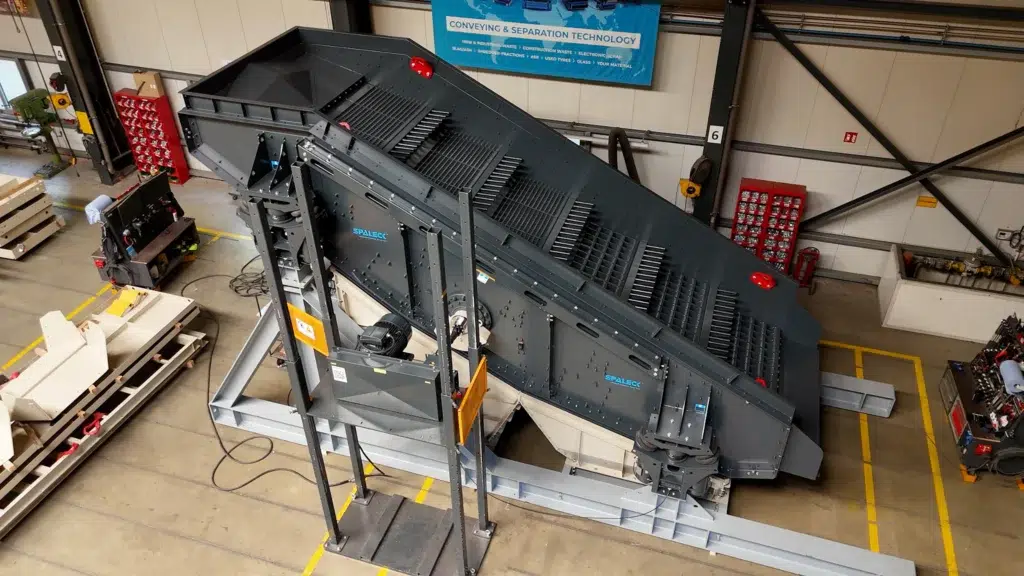
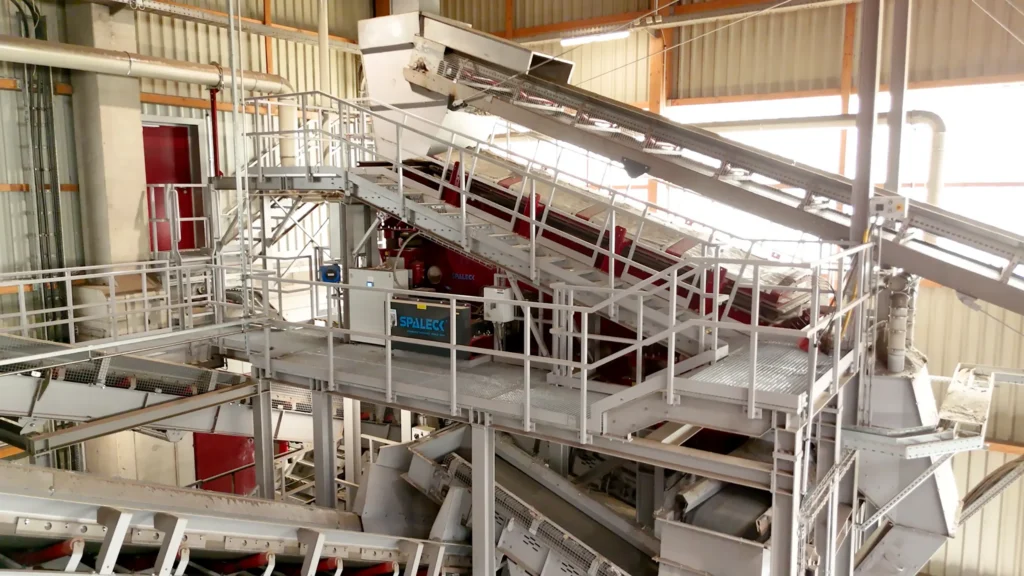
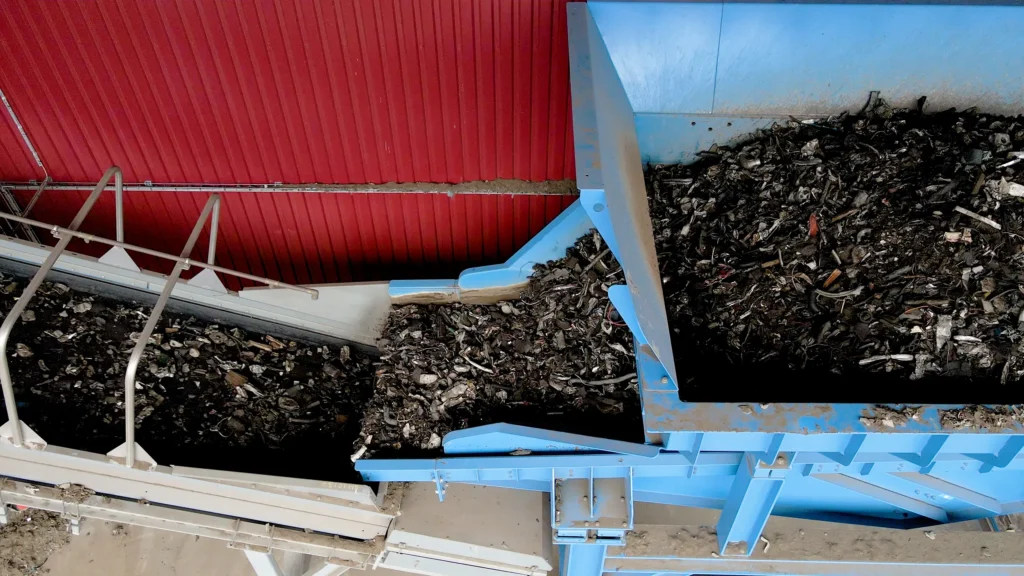
No, because metal recycling companies are already achieving precisely these benefits today by using a continuous, trouble-free, and fully automated material feed system such as the SPALECK ActiveFEED. This fully automated infeed unit can help maximize the efficiency of the sorting process. Its consistent, optimized material feed enables the efficient utilization of personnel, sorting technology, and energy.
One example of this is Stena Recycling from Sweden. The company had been struggling with a fluctuating material feed to its three XRF sorters in the non-ferrous processing line. Project Manager Lars Dahlstedt reports that, with a target of four metric tons per hour, the feeding system was delivering between two and six metric tons. According to him, after switching to ActiveFEED, the volume now fluctuates by only about plus or minus 150 kilograms per hour. The manufacturer of the XRF sorting technology also confirmed to Stena that the company had achieved a new level of sorting performance.
________________________________________
Higher throughput matters when it results in marketable material
A higher tonnage per hour does not automatically mean higher yield. What matters is the sorting quality achieved and the quantities that can be reliably produced.
For an assessment of efficiency, the recycler should therefore consider the following points as a whole:
- How much additional throughput can I achieve by optimizing the feeding system?
- What level of quality can be achieved with an optimized and continuous material feed?
- What is the contribution margin generated by the additional saleable quantity?
- What is the impact on costs that may be associated with the higher throughput?
Projects such as the one with the Nuremberg-based recycling company B&A demonstrate that the volume processed is significant, while sorting quality has improved. Roland Fischer, managing director at B&A, reports an additional throughput of approximately 500 metric tons per month. The company benefits from the absolutely consistent Material feed and improved sorting conditions for the downstream magnetic, eddy current, and sensor sorting equipment. In this specific case, Fischer estimates the payback period for the ActiveFEED to be less than one year.
________________________________________
Fewer blockages = more productive production time
Blockages interrupt the sorting process. The affected system must be shut down, the blockage in the Material feed must be cleared, and the process must then be restarted. Energy, process, and labor costs continue to accrue during this time. Replacing error-prone feeding technology with ActiveFEED provides immediate benefits in the form of a very consistent and clog-free Material feed. This advantage can be quantified in terms of efficiency.
The following factors can be included in the calculation:
- How often do Blockages or interruptions occur?
- How long will the affected line be out of service?
- How much material will not be processed during this time?
- Can the lost production be made up later, and if so, at what cost?
- How much work time and energy are required for the cleanup and restart?
If the recycler runs the numbers, it becomes clear that not every lost metric ton automatically translates to lost revenue. If the recycler can make up for the lost production later, the costs are different. Nevertheless, tracking this data helps ensure that the verifiable costs of troubleshooting and restarting are included in the calculation.
________________________________________
Compare and Plan Shifts More Effectively with ActiveFEED
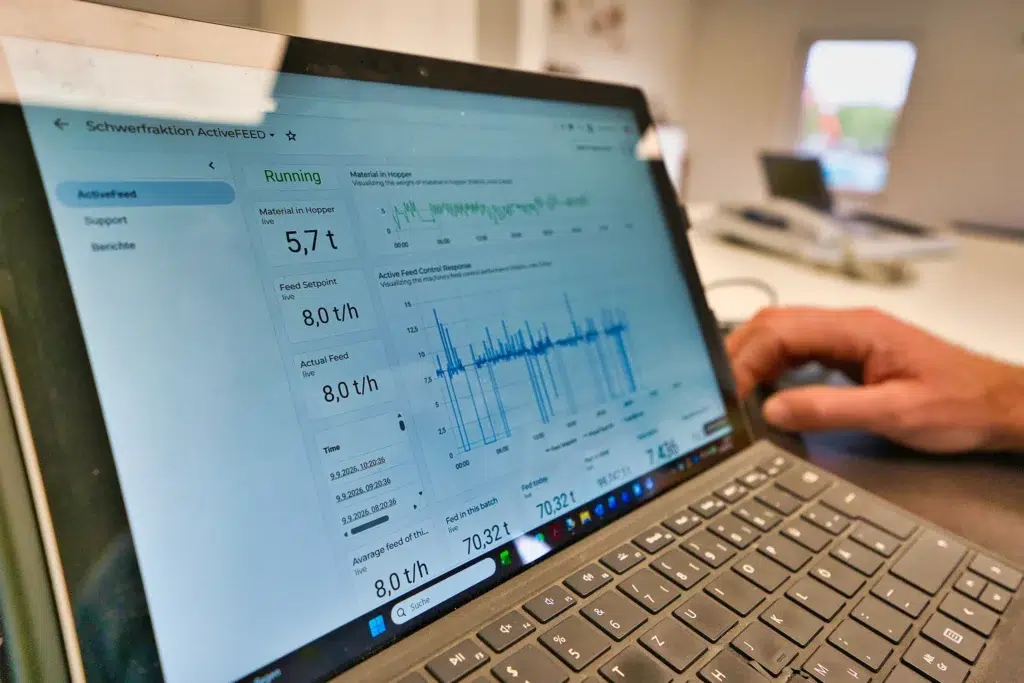
Are you aware of differences in the performance of individual layers? If the Material feed fluctuates, the output can also vary from layer to layer. However, if you can set the desired target quantity and simultaneously receive all information on the actual quantities processed, you gain a high level of transparency into your Recycling process. If this and other information is available to you as a plant operator in real time—and if these performance metrics can be specifically controlled, as with ActiveFEED—then the entire plant can also be controlled.
The example of the metal recycler Koslow illustrates how, with the right material feed, the operator was able to reduce the time required to such an extent that even the night shift was eliminated. In addition to eliminating the night shift, another positive side effect here is the shift of production into the daytime. This reduces electricity costs, shift premiums, and coordination efforts.
________________________________________
It makes a difference whether the wheel loader operator approaches the material feed based on a hunch or in a targeted manner
Imagine you have eight material hoppers that need to be filled. If the wheel loader operator drives up to them based on experience and guesswork to check their fill levels, it costs time and fuel. Even so, hoppers can run empty without anyone noticing, thereby interrupting the sorting process.
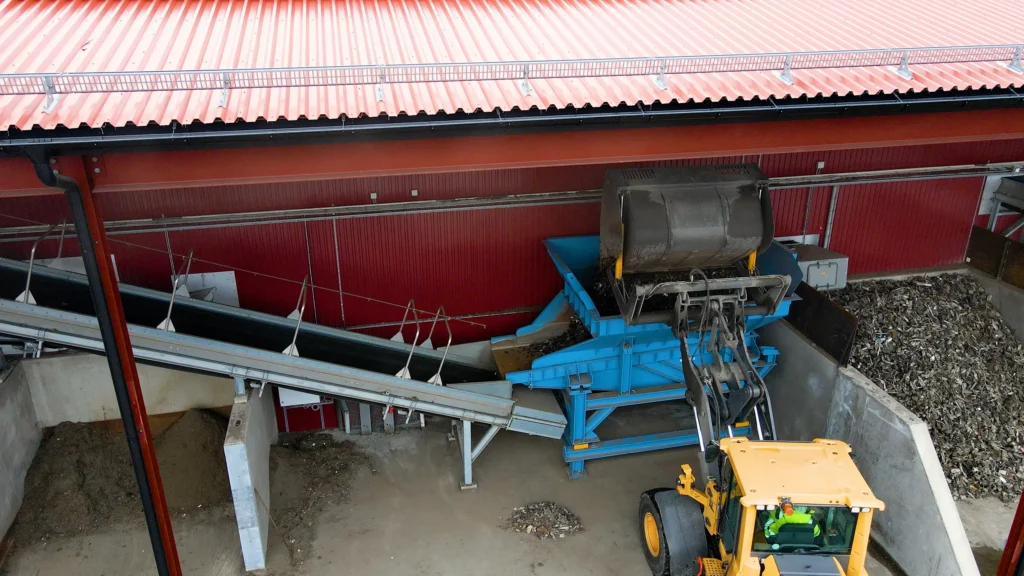
The SPALECK Reload interface for ActiveFEED supports staff by providing up-to-date information on material levels. On a tablet in the wheel loader, the operator can see where and when material needs to be replenished in the Sorting plants. In real-world operations, this completely eliminates the need for inspection runs. With today’s fuel prices, this also represents a significant cost savings that you can “reap” with the right material feed.
________________________________________
Amortization: Consolidating the Effects
At the outset, I described the material feed as a driver of efficiency. If you add up the various effects for your plant, you’ll get a better picture of the economic contribution the material feed can make.
However, the practical examples shown demonstrate just how significant the economic benefits can be. Stena reports a much more consistent Material feed and, as a result, a new level of sorting efficiency; B&A reports approximately 500 metric tons of additional throughput per month and a payback period of less than one year. At Koslow, certain tasks can be reduced from two shifts to one. These examples make the benefits tangible and quantifiable for the company.
I’d be happy to help you evaluate the benefits for your plant—for example, by conducting a trial with your material on an ActiveFEED at the SPALECK Test Center. During this process, we can also analyze the Screening process and explore opportunities for optimization. This service is free of charge for you. Please feel free to contact me.