Efficient Solid-Liquid Separation
The targeted separation of solids from process and wastewater is far more than just a technical necessity. It serves as a reliable preliminary step to remove disruptive particles—before downstream process steps take place or the water is safely discharged. Only this clean foundation guarantees compliance with strict limits and protects your entire plant infrastructure. And when recirculation is desired? That’s where this efficient particle separation paves the way.
Rising costs and stricter environmental regulations call for intelligent industrial wastewater treatment. Our filtration processes are designed for the highly efficient removal of solids and particles to ensure that your wastewater meets optimal discharge standards. As a critical step prior to final discharge—or as protection for downstream treatment systems—filtration ensures compliance with the strictest limits and significantly reduces your wastewater fees through targeted removal of contaminants. Depending on process requirements, the process is also ideally suited for preparing stream fractions to meet the necessary criteria for subsequent recycling.
Filtration acts as a protective shield for your downstream systems. By precisely removing suspended solids, particles, and long-chain organic compounds, you can effectively prevent deposits and blockages. The result is noticeably longer maintenance intervals and maximum service life for your valuable plant equipment.
By treating industrial wastewater, you can reduce your fresh water consumption while also minimizing wastewater fees. Recirculating treated water back into the system transforms disposal costs into valuable resources and pays for the investment in a short period of time.
Stricter environmental regulations leave no room for error: Anyone discharging wastewater is under close scrutiny. Our filtration system establishes a reliable, physical barrier and safely removes critical contaminants from the water stream before it leaves the facility. This effectively protects you from exceeding regulatory limits, costly fines, and government-mandated production shutdowns.
Every industrial wastewater stream is unique. Whether it involves particles or organic loads, our filtration processes step in where standard filters fall short. We develop the right wastewater treatment solution that precisely meets the requirements of your industry.
Using state-of-the-art industrial separation technology, we transform contaminated water into clean process water. This structured process ensures your facility’s compliance and enables cost-effective reuse and discharge.
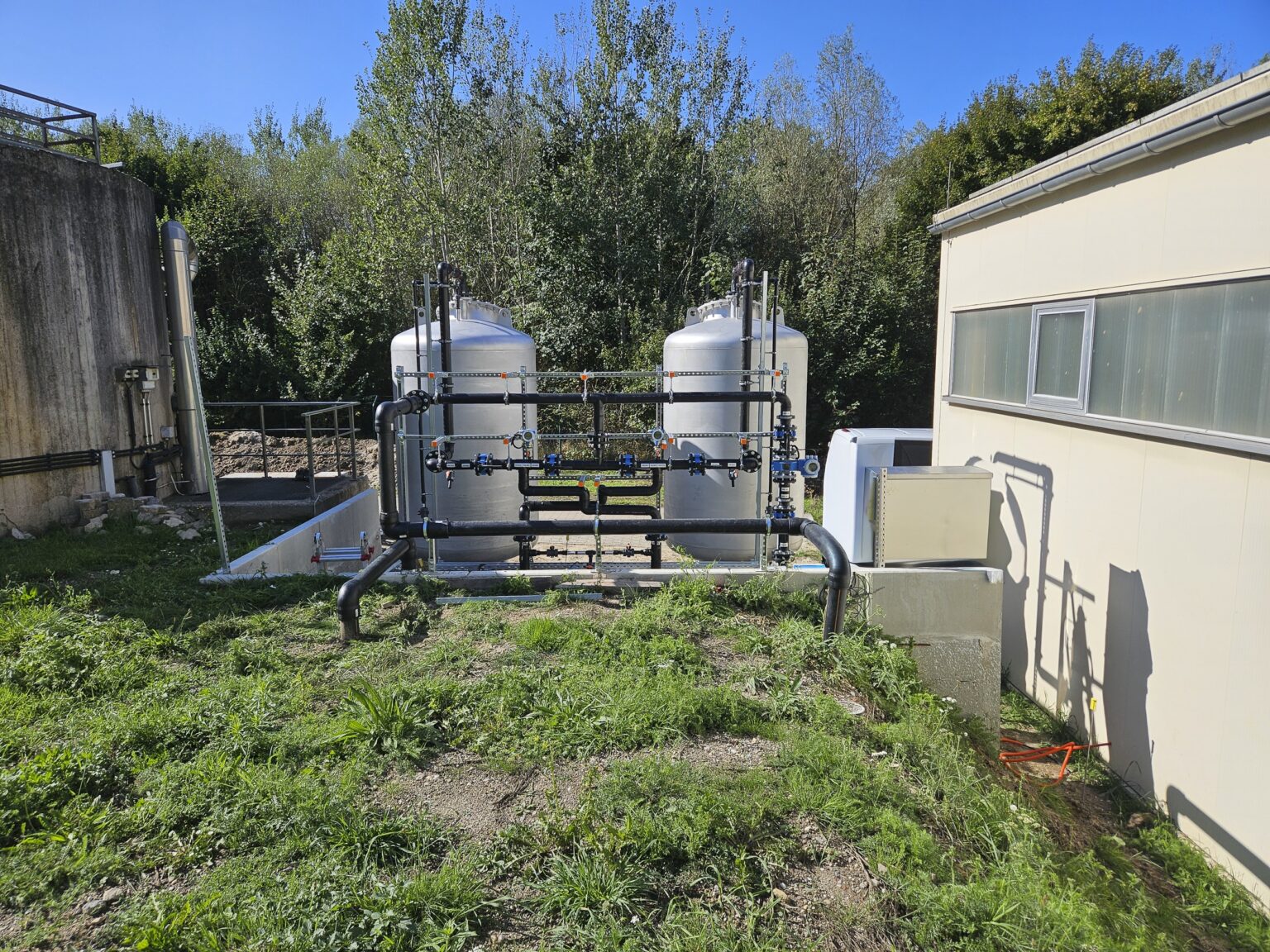
Sand, glass, or multimedia filters act as precise mechanical barriers against plastic particles, sand, and abrasives. As a key component of what is typically a multi-stage treatment process, these filters come into play precisely where upstream steps such as precipitation, coagulation, or clarification have already optimally prepared the substances. It is this perfect interplay that effectively protects downstream high-performance components—such as membrane systems or ion exchangers—from wear and drastically extends their service life.
Dissolved iron and manganese cause stubborn deposits and brown discoloration in the plant. While iron oxidizes easily, manganese is chemically extremely inert. We rely on targeted pre-oxidation through aeration, combined with a microbiologically activated dolomite filter material. This acts as a biological catalyst that converts even stubborn manganese into filterable particles and reliably removes them.
As a highly selective pretreatment step, this process also paves the way for optional downstream modules—such as water softening, for example, if your process water also needs to be treated to remove stubborn limescale.
Non-emulsified oils and greases, as well as floating layers, are separated from the water stream by mechanical separators or coalescing filters. By integrating these separators with dissolved air flotation (DAF) systems or downstream adsorption stages, we protect sensitive processes from oil and grease contamination and enhance the operational reliability of the entire plant.
Filtration specifically removes the particulate fraction of organic contamination. For optimal results, we combine this mechanical cleaning with biological treatment to reliably reduce both dissolved and suspended organic loads to levels below the discharge limits.
Complex organic molecules such as pesticides and herbicides are almost completely bound by specialized activated carbon filters. In combination with UV irradiation or advanced oxidation processes, we ensure that even hard-to-degrade environmental toxins are removed without leaving any residue, and that your site operates in full compliance with the law.
Pharmaceutical residues are removed from the water through adsorption onto activated carbon. We typically integrate this filtration as a final stage following a biological treatment process to prevent critical trace substances from entering the public sewer system uncontrolled.
After chemical precipitation, heavy metals are mechanically separated using filter media or chamber filter presses. We combine chemical conditioning and precise filtration in a coordinated process to minimize the pollutant load and meet strict regulatory requirements.
Our filtration processes use mechanical separation to reliably remove solids and suspended solids from water. Using modern, robust machinery, we optimize this process for demanding industrial sectors. The goal is highly efficient treatment of your process and wastewater that dynamically adapts to changing loads. This solution meets the strict requirements of various industries, guarantees consistently high quality in particle separation, and reliably protects downstream systems as well as the final discharge point from equipment wear.
Before the water reaches the actual filter, dissolved or very fine substances are converted into a form that can be filtered out. For example, the addition of flocculants causes even the smallest particles to clump together into larger units. This step ensures that even substances that would otherwise be too small for the filter medium are retained.
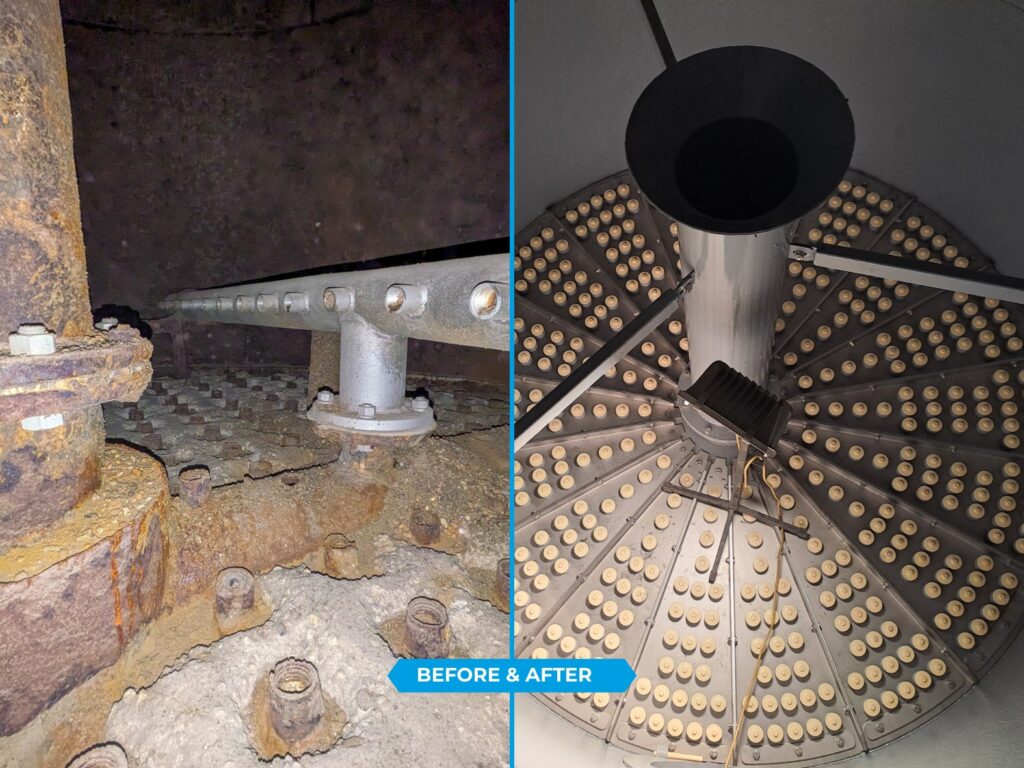
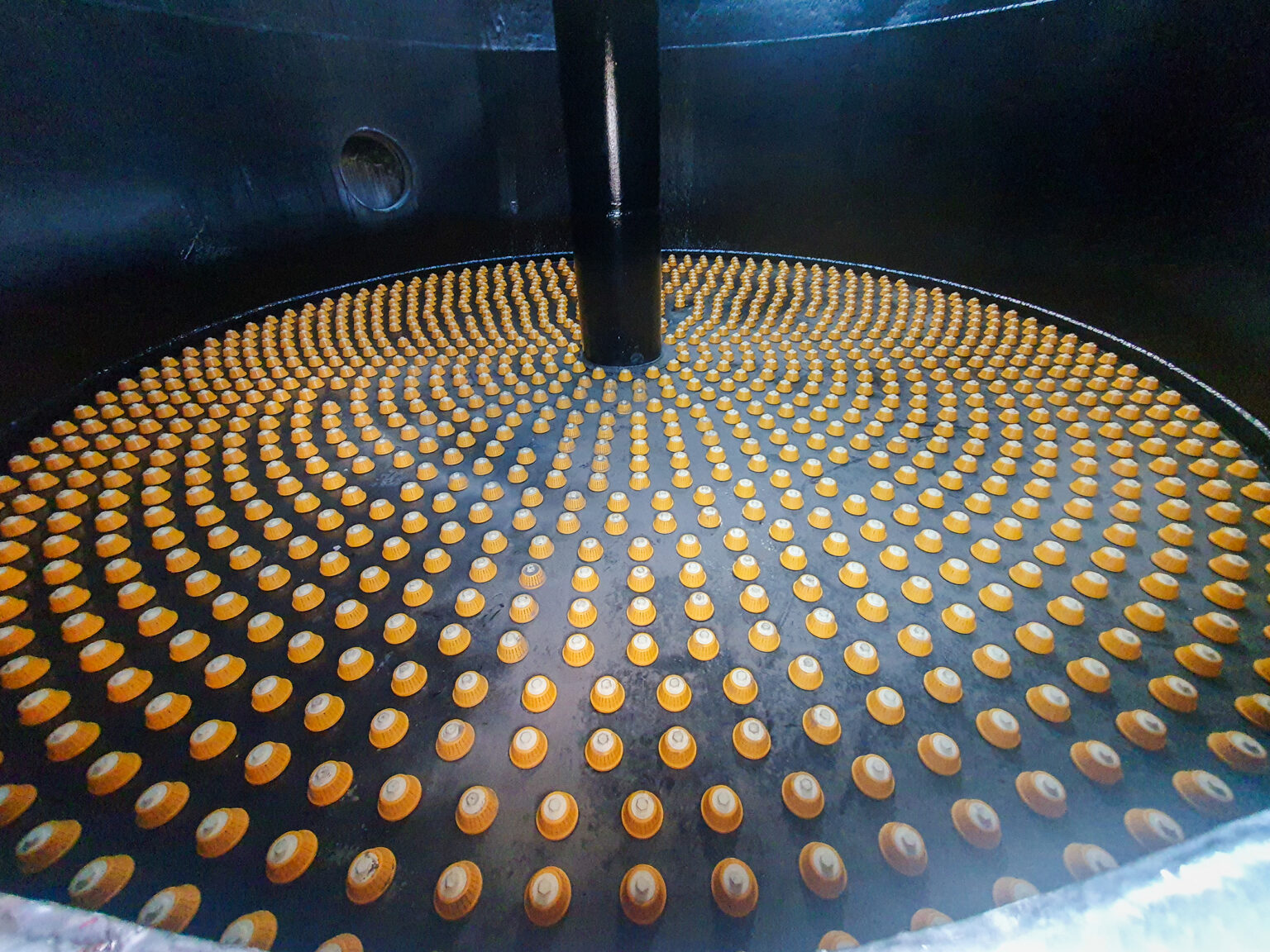
The pretreated water flows through the appropriate filter medium, which is precisely tailored to your particle load. Depending on the process—whether deep filtration in a sand bed or highly efficient surface filtration using special cloths—solids, flocs, and the finest particles are reliably retained. As the purified water passes through the barrier, mechanical impurities and disruptive turbidity are effectively removed.
To ensure that the system maintains consistent performance, the filter medium cleans itself fully automatically, depending on the system type. While sand and gravel filters are backwashed cyclically in a countercurrent flow, cartridge and cloth filter systems use highly effective pulse or continuous cleaning methods. The trapped contaminants are reliably dislodged and systematically discharged. This ensures that the system is immediately ready for the next filtration cycle without any costly downtime.
Every industrial process requires different water qualities. With us, you’ll always find exactly the right solution for your wastewater treatment.
Our filtration system serves as the critical barrier against harmful particles and deposits. The system really shines when using well water: An integrated pre-oxidation process first converts dissolved iron into filterable particles, which are then reliably removed. This ensures stable system operation and makes you permanently independent of expensive municipal water.
High-quality process water ensures your product quality and protects your infrastructure. Our filtration processes are the crucial first step in this process: They completely remove particles and turbidity to optimally protect downstream systems such as water softening, reverse osmosis (RO), or EDI mixed-bed systems. This coordinated process chain guarantees the precise water purity required by your industrial processes.
Not every application requires drinking-water quality. The water treated through our filtration processes provides the ideal basis for cooling processes, fire suppression systems, or washing applications. By recycling this water, you can optimize your water balance, sustainably reduce operating costs, and simultaneously meet the strict environmental requirements of modern industrial sites.
Close the loop right at the source. Using state-of-the-art filtration methods, we treat your wastewater so that it can remain in the process indefinitely. The result is a drastic reduction in your wastewater fees and the security of your location through independence from local resources—ecologically sound and highly attractive from an economic standpoint.
Spaleck Wassertechnik GmbH
Robert-Bosch-Str. 6
46397 Bocholt
Phone: +49 2871 2134 – 0
Email: info@spaleck.de
Every industry has its own unique water treatment requirements—whether due to fluctuating contaminant loads, strict regulatory discharge limits, or sensitive production processes. We tailor our process engineering modules precisely to your industry’s needs. Discover our customized solutions for maximum process reliability and efficiency in your sector.

Cooling lubricants, oils, and metal abrasives place a massive strain on your circulation systems. Our filtration processes guarantee reliable removal of these substances and protect downstream process stages from sludge buildup. The result is clean, treated water that is ideal for reuse in cooling and production circuits.

High levels of sugars, greases, and proteins pose a challenge to your process chain. Our filtration processes reliably remove these organic substances and solid particles, preparing the water for further treatment. This ensures hygienically clean recirculating water and reliable compliance with strict discharge regulations in food production.
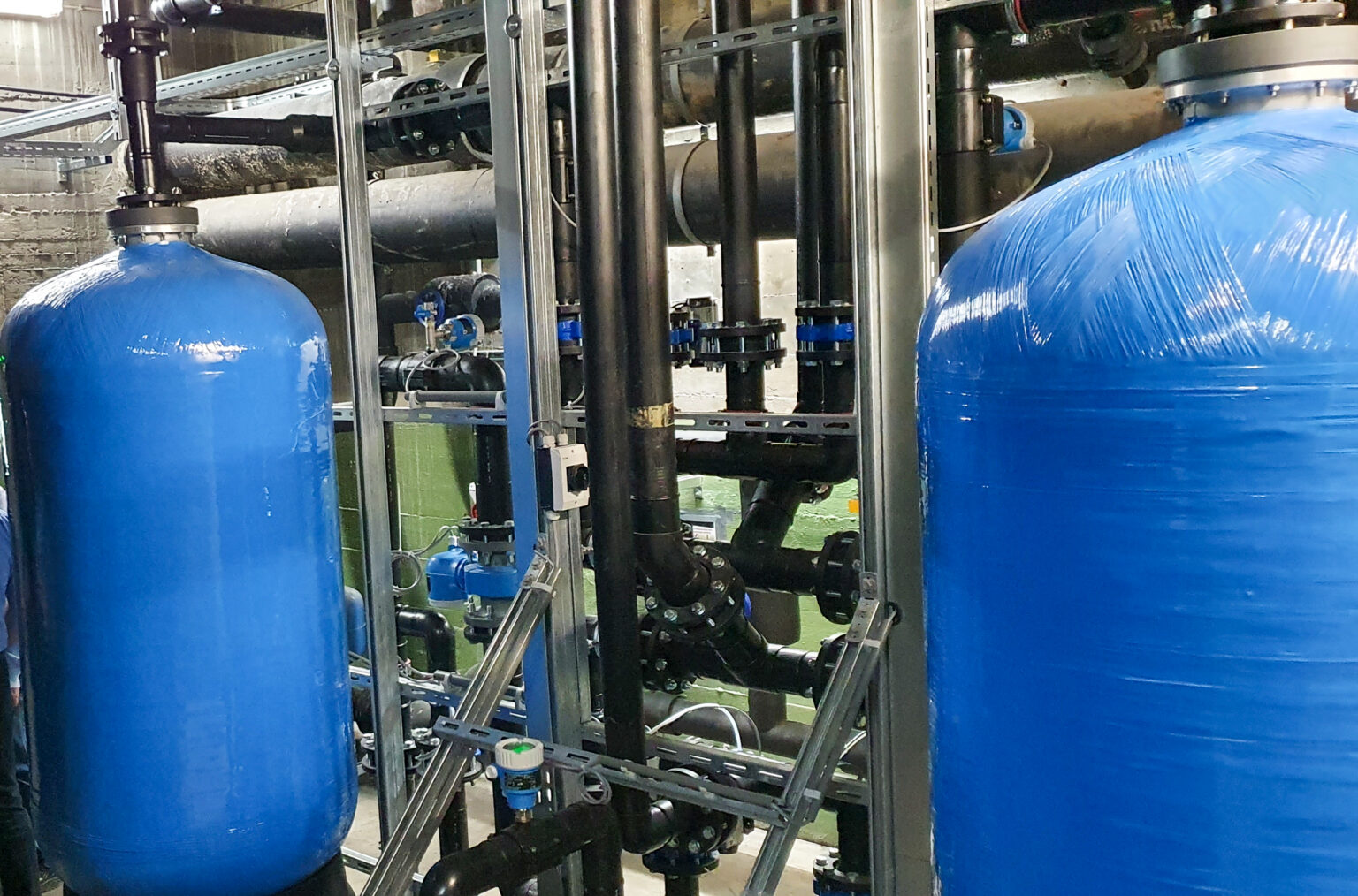
Pigments, resins, and solid residues require high-performance treatment. Through the use of specialized filtration processes, these substances are reliably removed to protect subsequent process stages from clogging. In combination with adsorption stages, the water is thus made usable for further production steps or safely prepared for discharge.
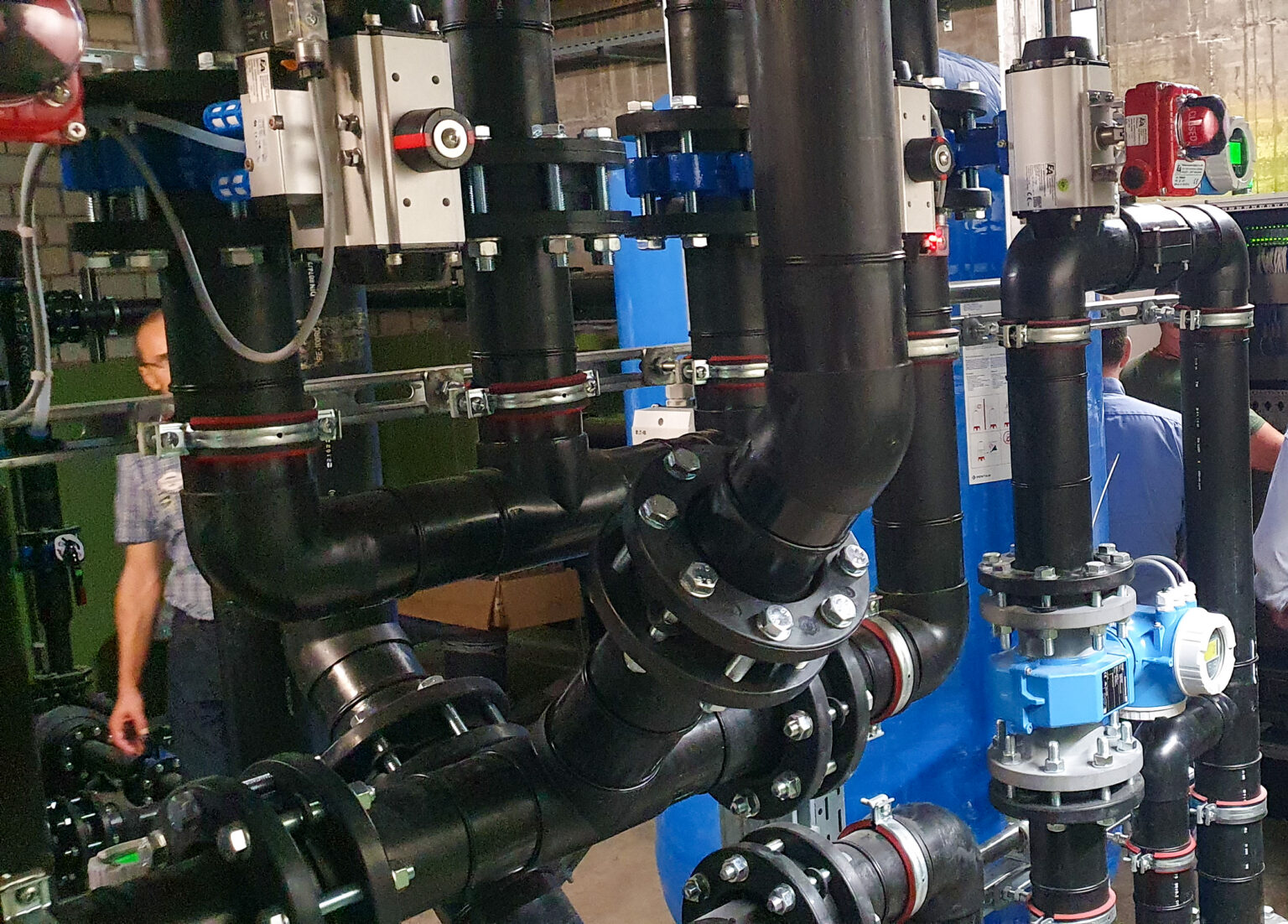
Complex chemical compounds and particulate matter place the highest demands on purification. Our filtration processes reliably remove undissolved substances, thereby protecting downstream separation processes from fouling and failures. When combined with adsorption stages, you receive water with process reliability for subsequent production steps while minimizing costly disposal fees.
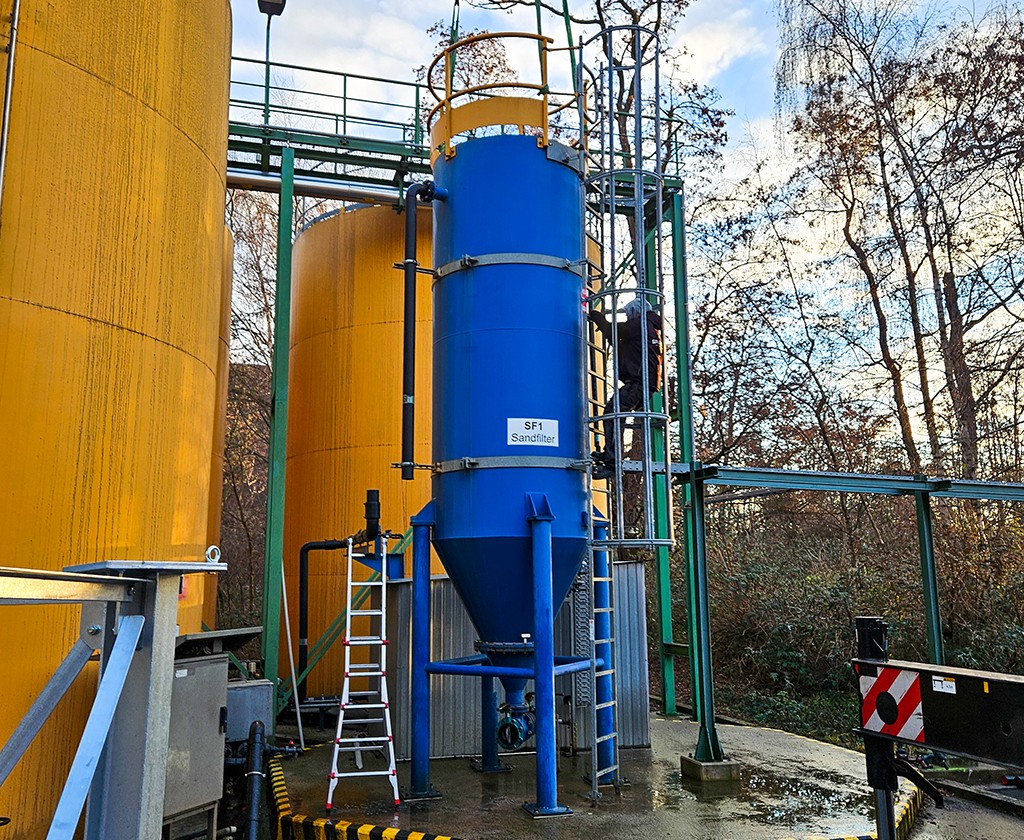
Fibers, starch, and fine suspended solids often result in high wastewater loads in paper production. Our filtration processes enable the precise separation of these residues to prevent Blockages in the screen sections and increase plant uptime. In combination with additional treatment stages, we thus promote the large-scale recirculation of water back into the production process and help you sustainably manage your water balance.

Every production process has its own environmental footprint. Our filtration processes can be flexibly adapted to your specific parameters to reduce particle loads and efficiently reuse water. By combining different types of systems, we design the safest and most cost-effective solution for you—tailored precisely to your industry’s requirements.

If you have any questions about SPALECK water technology, our experts will be happy to assist you.
Here are some questions about SPALECK water technology filtration systems. If you have any further questions, please feel free to contact us.
Yes, most systems have a modular design. They can be integrated into existing infrastructures to save space, for example to reduce the load on existing biological stages or to extend the service life of membrane systems.
Our modern filtration processes react flexibly. Upstream conditioning stages or the combination of several filter lines allow peak loads to be buffered without jeopardizing the quality of the filtrate.
Our systems are designed for maximum automation. Through sensor-controlled cleaning cycles, the respective filter medium cleans itself automatically as soon as a defined differential pressure is reached. This minimizes the need for manual intervention, prevents Blockages, and ensures consistently high flow rates during continuous operation.
Due to their design, individual filters can usually only handle a specific range of particles. For optimal results, we combine various processes into an intelligent chain: While robust coarse filtration in the first step captures the large solids, downstream fine filtration ensures that even the smallest suspended solids are completely removed. Only through this combination can we achieve consistently high water quality and reliably protect your system.
You are currently viewing a placeholder content from Vimeo. To access the actual content, click the button below. Please note that doing so will share data with third-party providers.
More InformationYou are currently viewing a placeholder content from YouTube. To access the actual content, click the button below. Please note that doing so will share data with third-party providers.
More InformationYou need to load content from reCAPTCHA to submit the form. Please note that doing so will share data with third-party providers.

More Information