Efficient Water Softening and Desalination
Targeted water treatment protects equipment from corrosion and scale buildup. Specialized exchange resins are used to efficiently remove unwanted ions, ensuring that the water quality meets the exact requirements of your process.
Our systems can be precisely scaled to your specific feed rates and the desired level of purity—from the exact capacity sizing of the exchange resins to fully automatic regeneration. Targeted water softening reliably prevents stubborn scale and deposits from forming in your system. The additional desalination significantly minimizes corrosion of system components. This allows you to integrate highly efficient Processing Technology into your existing infrastructure in a space-saving manner and ensure consistently high water quality regardless of system size.
Avoid costly unplanned downtime and unnecessary energy consumption. By operating your equipment without scale buildup, you can ensure that it remains highly efficient over the long term, which minimizes maintenance requirements and significantly extends the service life of your equipment.
Whether you need soft water for production or high-purity deionized water for sensitive processes, our systems deliver exactly the quality you need. This ensures consistent product quality and prevents costly waste.
Don’t waste any time upgrading your system. Thanks to the compact design, we can integrate the technology into your existing infrastructure without major renovations. This gives you a high-performance water treatment system that takes up little space and is ready for immediate use.
If your specific contaminants are not listed above, we will develop a precisely tailored solution: Through the targeted use of special resins in ion exchange, we reliably remove even complex or rare valuable substances and combinations of contaminants. We ensure that your water achieves exactly the level of purity you need.
The removal of dissolved salts is the primary application of ion exchange. To prevent corrosion and produce process water of the highest quality, unwanted ions are specifically exchanged for other ions. For very high salt loads, we integrate this process highly efficiently as a downstream stage of reverse osmosis to achieve economic optimization of resin service life and reduce operating costs.
Dissolved metal ions such as lead, nickel, or copper are bound by specialized selective resins, even at the lowest concentrations. In complex wastewater scenarios, ion exchange serves as a precise final purification step to bring concentrations below the required limits after a physicochemical precipitation process has reduced the precipitable pollutant load in the first step.
Sometimes, the targeted reduction of nitrate levels is crucial. Our regenerable ion exchangers offer the perfect solution here: They reliably reduce the nitrate load through process reliability, replacing the nitrate ions in the water with chloride ions through a targeted ion exchange. Compared to extensive biological processes, this physicochemical system stands out for its extremely small footprint and responds immediately to fluctuating influent levels. This ensures reliable compliance with the strictest environmental regulations while minimizing the required floor space.
Removing PFAS compounds is a major technical challenge. To address this, we use highly selective resins that reliably bind these contaminants through a combination of ion exchange and activated carbon filtration. However, since these special resins are very sensitive, we protect them using a clever, multi-stage purification process.
First, a biological pretreatment stage achieves high efficiency in breaking down the problematic organic contaminants. Then, a sand filter or an ultrafiltration system thoroughly removes any remaining fine particles. It is only in this perfectly prepared, clear water that the PFAS resins are used, where they can operate with maximum efficiency. This prevents the media from sticking, significantly extends their service life, and ensures reliable compliance with the strictest limits.
Some charged organic compounds can be captured directly during the exchange process. To ensure comprehensive removal of even uncharged molecules, we supplement ion exchange with, for example, activated carbon filtration. This creates a hybrid barrier that reliably removes even complex organic residues from the water cycle.
Ion exchange helps reduce the organic load by selectively binding organic acids. To comprehensively reduce high COD levels, the process is integrated as a final purification step following biological treatment and chemical-physical precipitation/flocculation in order to sustainably optimize the water balance.
Ion exchange uses electrostatic attraction to selectively remove dissolved minerals and contaminants from your water. Thanks to specialized exchange resins and an intelligent control system, the process dynamically adapts to the quality of your raw water. This ensures a highly efficient purification cycle and consistently high water quality for your industrial processes.
The raw water flows through the resin bed. As it does so, the unwanted ions are bound to the resin beads and exchanged for harmless ions. Water with the desired purity is immediately available at the outlet.
Over time, the removed contaminants occupy all available sites on the resin. Sensors monitor the water's conductivity or hardness and precisely detect the moment when the ion exchanger's capacity is exhausted.
The system automatically passes a regeneration solution—such as brine, acid, or lye—through the resin. Through controlled supersaturation, the previously bound contaminant ions are reliably released, while new ions from the regeneration solution are adsorbed onto the ion exchanger. The flushed-out contaminants are safely discharged. After a brief rinse phase with pure water, the system is immediately ready for the next cleaning cycle.
Our ion exchange processes are technological all-rounders that offer process reliability in treating a wide variety of raw water qualities. Depending on your requirements and industry, the targeted selection of specific exchange resins delivers precisely the purity class needed for your specific processes—from efficient water softening to prevent limescale damage to high-purity total desalination for demanding manufacturing processes.
Natural water sources often contain dissolved hardness-causing substances, salts, and metal ions that can damage industrial equipment. Through ion exchange, we bind these substances directly to high-performance resins. The result is perfectly treated water—free of lime and unwanted minerals—providing a reliable foundation for your production.
The production of demineralized water requires the complete removal of dissolved salts. Our systems consistently deliver the conductivity required for your sensitive processes. Through optimized resin combinations, we ensure maximum yield with minimal regeneration requirements and actively protect the system from performance losses.
Our ion exchange process consistently delivers high-quality water for cooling processes or general cleaning tasks. By removing hardness-causing substances and interfering salts right at the inlet, we effectively protect your systems from scaling, wear, and corrosion. This increases the operational reliability of your entire infrastructure and significantly reduces maintenance costs.
In modern industry, the reuse of water is a key competitive advantage. Through targeted ion exchange, we treat process water so that it can be maintained in a stable cycle. The continuous removal of hardness-causing substances and salts protects your systems from scaling, increases resource efficiency, and significantly reduces your wastewater disposal and fresh water costs.
Spaleck Wassertechnik GmbH
Robert-Bosch-Str. 6
46397 Bocholt
Phone: +49 2871 2134 – 0
Email: info@spaleck.de
Ion exchange is the technological solution to the high demands of a wide variety of industries. Whether in the food industry, metal processing, or the energy sector: Using highly selective resins, we bind hardness-forming substances, metals, and salts directly within the process stream. This allows us to achieve a purity class that far exceeds the capabilities of simple filters and is precisely tailored to your industrial standards.

In metal processing, extending the service life of process baths is a critical cost factor. Our ion-exchange systems specifically remove unwanted metal ions and heavy metals from rinse water and electrolytes. This not only ensures consistently high surface quality for your products, but also enables legally compliant adherence to strict wastewater limits and the efficient recovery of valuable raw materials.

In food production, water often serves as both an ingredient and a process medium. We use selective ion exchangers to remove undesirable substances such as nitrate or specific salts without compromising food safety. The result is perfectly treated water that is tasteless, prevents limescale buildup in your equipment, and meets all hygiene standards for production.
Even the smallest amounts of dissolved salts can disrupt the stability of emulsions or impair the adhesion of coatings. Our full desalination systems provide you with the water purity required for the production of high-quality paints and coatings. By precisely removing hardness components and conductivity-causing substances, we effectively prevent drying residues and ensure the process stability of your mixing operations.
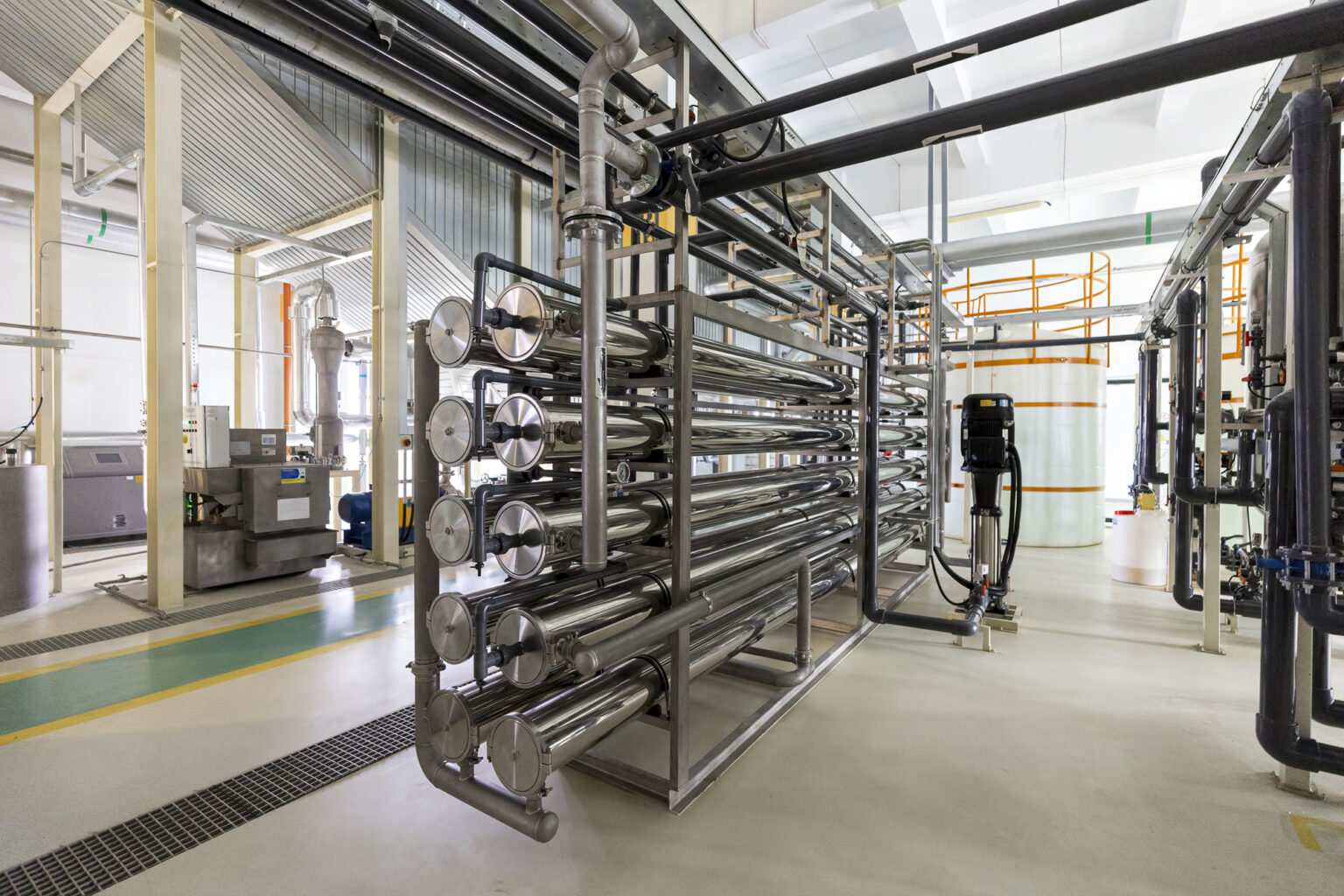
In chemical production, water purity is often critical to the yield and quality of the final products. Ion exchange serves as a key technology for producing deionized water with minimal conductivity.
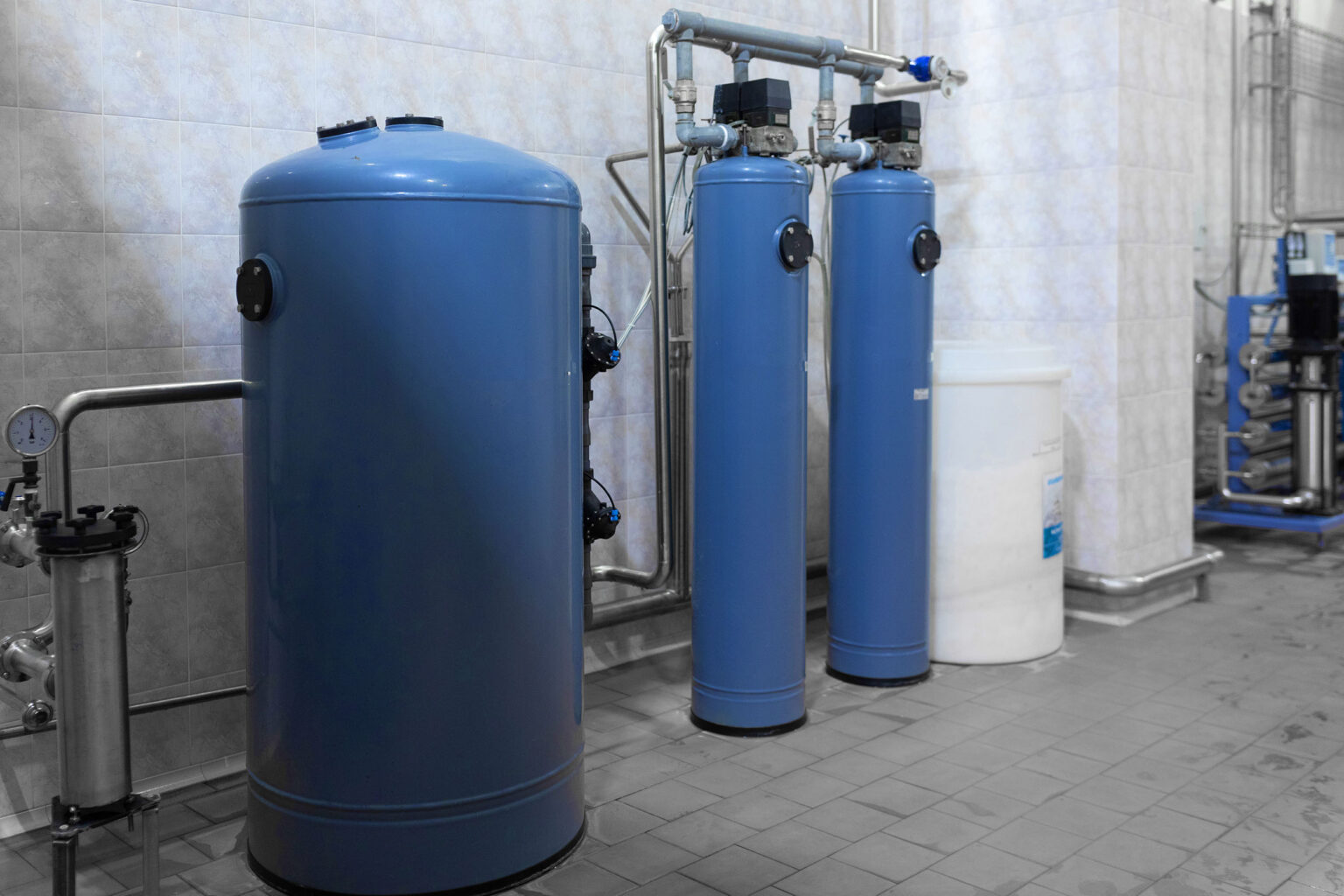
Maintaining large volumes of water in a stable cycle requires precise control of salt accumulation. Our partial desalination and water softening processes are therefore used in a highly targeted manner at specific points in the paper production process. They prevent lime scale buildup directly on the paper machines and protect the sensitive wire and press sections from wear. This targeted treatment not only reduces your fresh water costs but also improves the effectiveness of the additives you use through optimized water chemistry—exactly where it matters most.
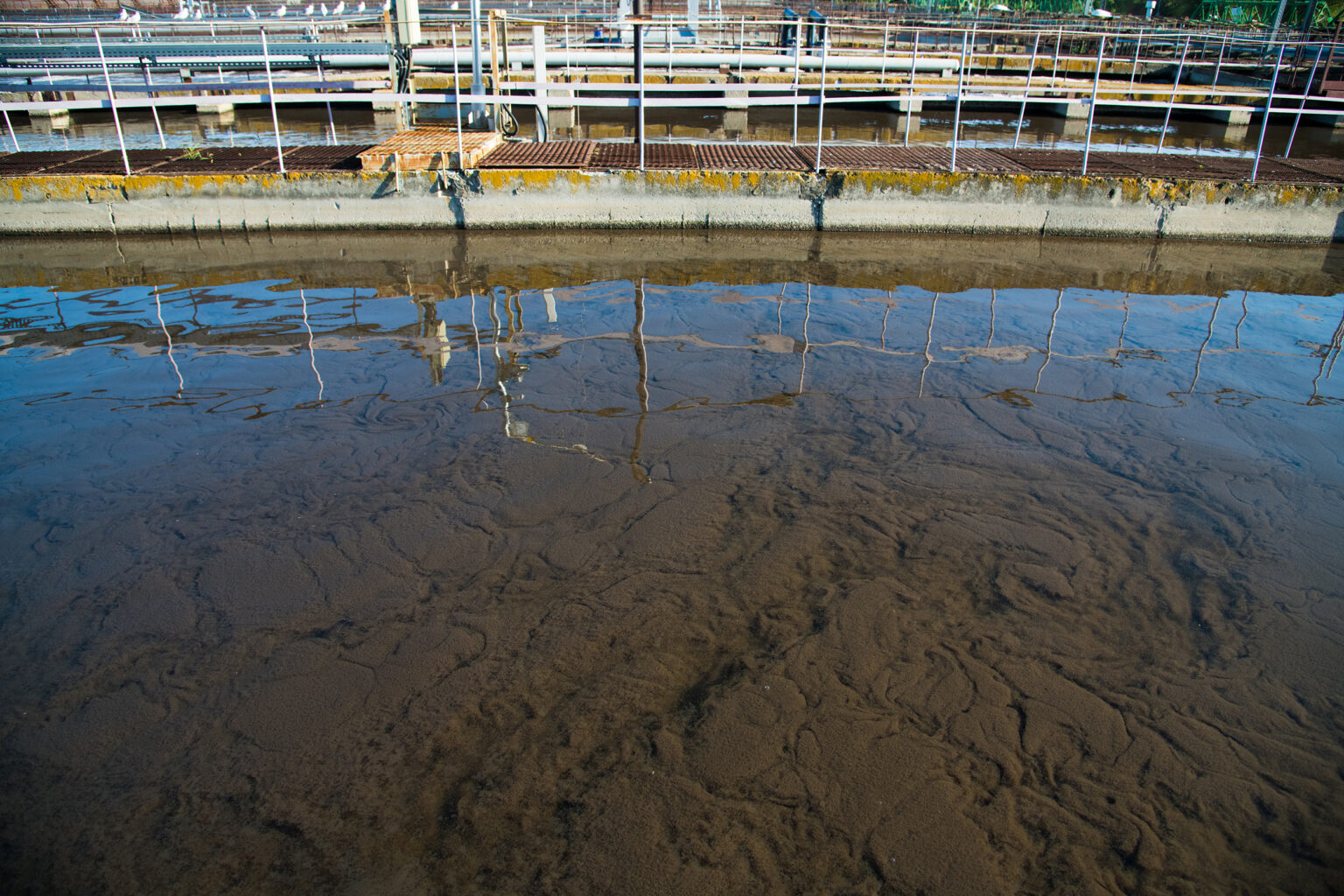
Every industrial process has its own specific requirements for water chemistry. We configure our ion-exchange systems precisely for your specific application—whether as a compact water softening system or a complex, multi-stage desalination line. To provide optimal protection for the sensitive resins, the system is almost always combined with appropriate pretreatment processes. This allows us to remove precisely the contaminants that interfere with your process, laying the technological foundation for greater efficiency, lower maintenance costs, and sustainable production.

If you have any questions about SPALECK water technology, our experts will be happy to assist you.
Here you’ll find some questions about softening and desalination of your industrial wastewater using SPALECK water treatment technology. If you have any further questions, please feel free to contact us.
Yes, our systems have a modular structure and are characterized by their compact design. They can be easily integrated into existing infrastructures. As ion exchange is a pressurized process, additional pumping units are often not required, which simplifies integration into your industrial water cycle.
The regeneration process produces a concentrate that contains the salts or pollutants removed from the water in concentrated form. As a rule, this concentrate can be disposed of in compliance with the municipal discharge conditions. In the case of heavy metals or special pollutants, we will be happy to advise you on integrated solutions for legally compliant wastewater treatment.
Ion exchange comes into its own when very low residual conductivities (full demineralization) are required or when individual substances (e.g. in water softening) need to be removed. While reverse osmosis filters physically, ion exchange works chemically selectively. A combination of both processes for highly efficient water treatment is often the most Efficiency solution.
You are currently viewing a placeholder content from Vimeo. To access the actual content, click the button below. Please note that doing so will share data with third-party providers.
More InformationYou are currently viewing a placeholder content from YouTube. To access the actual content, click the button below. Please note that doing so will share data with third-party providers.
More InformationYou need to load content from reCAPTCHA to submit the form. Please note that doing so will share data with third-party providers.

More Information